


The genre’s recognition by UNESCO brings questions about archives, rights, and the institutions that allow musical traditions to survive.

In the first decades of the twentieth century, new sounds emerged along the Gold Coast, the territory that would become independent Ghana in 1957. Musicians brought local rhythmic traditions into conversation with brass bands, guitar ensembles, church music and Caribbean influences circulating through ports and urban centres. The resulting styles developed into what came to be known as highlife, music that could accompany formal dances, celebrations, everyday entertainment and public debate.
The recent international success of African popular music is often narrated as a sudden breakthrough. Ghana’s highlife tells a longer and more useful story. Its development illustrates how local musicians absorbed influences from global trade and turned them into forms that expressed their own society. Its survival through changing tastes also reveals the importance of training, performance venues, recording and rights management. The argument for investing in African music does not begin with streaming growth; it begins with the institutions that allow musicians to learn, work and preserve what they have made.
Highlife changed as performers and audiences changed. Brass-band arrangements and guitar- based popular groups offered different interpretations of the genre, while lyrics in local languages and other widely spoken forms of speech expressed social concerns. By the period surrounding independence, highlife had become a significant part of Ghanaian cultural life and an influential sound beyond its borders. Its history helps explain why musical innovation in West Africa cannot be reduced to the current terminology of global streaming platforms.

Highlife developed along the Gold Coast at a time when port towns connected local audiences with sailors, military bands and imported records. Brass instruments, guitars and forms of group performance circulated alongside indigenous rhythmic and melodic traditions. The result was never a single uniform sound. Dance-band highlife could bring brass arrangements to large venues, while guitar-band traditions reached other audiences. Lyrics and performance styles responded to the languages and concerns of their listeners. Because music often traveled through live performance before recording became widespread, its history is also a history of working bands.
Highlife’s capacity to change helps explain its reach. Brass bands, guitar groups and dance orchestras adapted to different settings and audiences, while performers sang about love, work, social obligations and the uncertainties of urban life. The sound developed amid the political and commercial transformations of the Gold Coast and later independent Ghana. It was performed in spaces where people met, negotiated status and imagined what a modern public culture might sound like. The history is therefore richer than a list of influential musicians; it includes the clubs, instruments, bandleaders, recordings and listeners who kept the music moving.
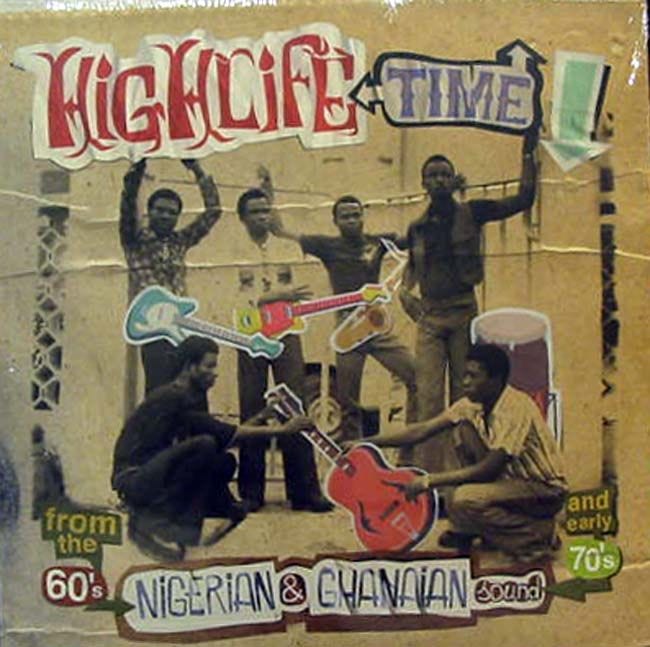
Ghanaian independence in 1957 gave highlife a different public setting. Music became part of a society defining itself after colonial rule, and celebrated performers helped give audible form to the aspirations and social tensions of the period. Highlife was entertainment, but songs could carry advice, humor, satire and commentary about relationships or public life. It also influenced musical production beyond Ghana, as musicians and records circulated through West Africa. Accounts that treat present-day continental exchanges as wholly unprecedented miss the routes through which earlier generations shared sounds and ideas.
In December 2025, UNESCO inscribed Ghana’s highlife music and dance on the Representative List of the Intangible Cultural Heritage of Humanity. The designation acknowledges a tradition sustained by musicians, communities, educators and cultural organizations. Recognition offers a public invitation to examine how a musical form is transmitted, preserved and compensated. It does not, on its own, resolve the financial conditions facing performers or the custodians of historic recordings.

UNESCO’s 2025 inscription is therefore significant for more than prestige. The organization identifies three styles within the nominated practice, including Dance Band, Guitar Band and Burger Highlife, and describes knowledge passing through families, apprenticeships, university teaching and established ensembles. Safeguarding a living musical tradition requires conditions in which younger musicians can learn and audiences can continue to hear it. An inscription acknowledges those conditions; it does not itself pay a band, maintain an archive or produce a new recording.
The arrival of more African music on international charts has brought new audiences and business opportunities, but the infrastructure needed to build durable careers extends far beyond a hit recording. Studio facilities, touring circuits, rights administration, music publishing, preservation of master recordings and reliable payment systems all matter. Historically significant recordings may survive on deteriorating formats, while performers and their families may lack the resources to establish clear licensing arrangements. These issues are especially urgent when archival songs are sampled or commercially reissued.
Commercial opportunity is real, but the music business distributes revenue unevenly. Artists may earn through concerts, licensing, teaching, commissions or recordings, while labels, venues and distributors negotiate their own portions. Older catalogues can suffer from incomplete documentation, disputed ownership and recordings stored on deteriorating media. Digitization can introduce new listeners and revenue, but it should be accompanied by rights research and agreements with musicians or their estates. A file uploaded without clear attribution is no substitute for a functioning rights economy.

Recognition through a heritage listing does not guarantee that musicians can sustain a career. Older recordings may be difficult to locate, rights may be fragmented, and performance income remains uneven for artists whose work has never been comprehensively documented. At the same time, younger musicians borrow from earlier genres in recordings that travel globally. Those creative relationships can produce renewal, provided historical contributors are credited and rights arrangements are understood. The challenge is to create pathways from cultural admiration to functioning music archives, fair licensing, reliable venues and opportunities for new ensembles to perform.
It would be a mistake to argue that historic genres deserve support only because they influenced commercially successful music today. Highlife has artistic and social importance in its own right, and musicians should be free to reinterpret it rather than serve as museum exhibits. The more convincing investment case combines preservation and experimentation: support archival access, pay skilled older players to teach, fund recording spaces and give contemporary performers opportunities to test new work before audiences. A living tradition needs room to change.
Support for highlife could include digitization programmes designed with rights holders, scholarships for instrumental training and touring support for living musicians. Collectors and cultural institutions can fund documentation and purchase archives through ethical agreements that make the materials accessible to Ghanaian communities. Labels and broadcasters should provide clear contracts and credits. As audiences look more closely at the foundations of contemporary African music, there is an opportunity to channel interest toward the artists and organizations preserving those foundations. The genre’s future will depend on whether its knowledge can remain economically viable for the people carrying it forward.

Highlife’s inscription on UNESCO’s heritage list should mark the beginning of renewed work, rather than its completion. Broadcasters, music schools, archives and labels can document performances, improve attribution and create lawful routes for older recordings to reach new listeners. Audiences can attend live shows and purchase music through channels that pay artists. Critics should trace the musical histories behind contemporary African hits instead of treating each international breakthrough as an isolated beginning. Highlife has already proved its capacity to travel and evolve. Its future depends on whether the people carrying that music can build secure careers and preserve the recordings that explain where it came from.
SOURCES & HISTORICAL RECORDS
UNESCO Intangible Cultural Heritage, Highlife music and dance (2025) UNESCO Committee Decision, Highlife (2025) Ghana Commission for UNESCO, Intangible Cultural Heritage