


Walk through Lamu on Kenya’s coast and a carved wooden doorway may lead into a history that stretches across the Indian Ocean. For centuries, Swahili communities have shaped the town through trade, migration, religious life and their own skilled building traditions. Coral-stone houses, shaded passages and interior courtyards reflect a way of living adapted to the coast, while decorative details speak to contacts with places across the sea. These connections have sometimes encouraged outsiders to describe Swahili architecture as something imported into Africa. The buildings tell a more interesting story: coastal residents chose, adapted and combined ideas to create places suited to their lives. Lamu matters because it reveals how a connected African society could be cosmopolitan without surrendering the authorship of its own culture.
UNESCO identifies Lamu Old Town as a remarkably well-preserved Swahili settlement whose continuous occupation extends across seven centuries. Built primarily from coral stone, lime and mangrove timber, its houses organize social life through internal courtyards, verandas and carefully spaces serving different purposes. Carved wooden doors and decorative niches create visual and ceremonial distinction within an urban fabric whose streets respond to the patterns of settlement. These features record architectural choices made over generations, through the work of local builders and the preferences of residents
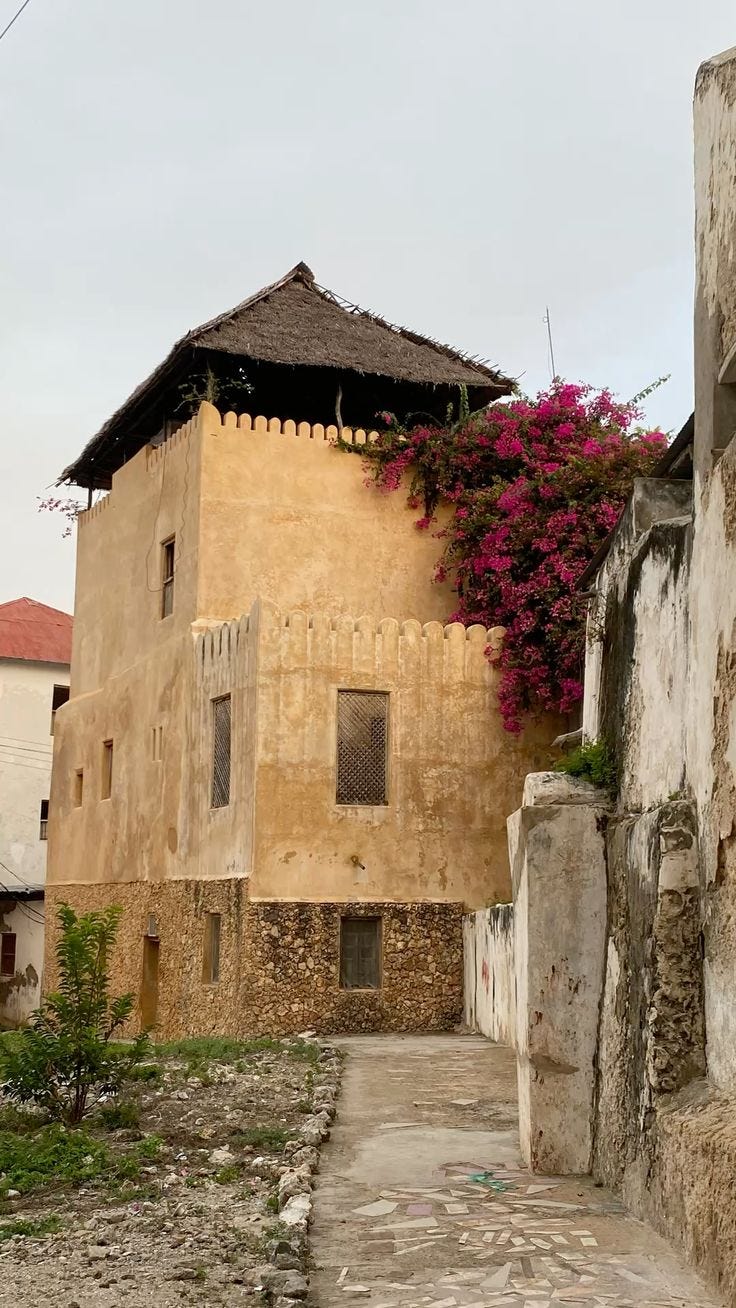
The coast connected the African mainland to Arabia, Persia, India and other parts of the ocean basin through maritime trade. Goods, religious learning, languages and aesthetic ideas traveled in multiple directions, with Swahili towns functioning as active participants in those relationships. UNESCO describes the interaction of Bantu-speaking communities with Arab, Persian, Indian and European influences in Lamu’s built environment. The wording is useful only if it does not imply that African residents were passive recipients of foreign civilization. Swahili architecture emerged as coastal communities selected, adapted and transformed building techniques through everyday use and long-distance exchange.
The historical richness of Lamu comes into view when its buildings are understood as places of daily negotiation between commerce, religion and household life. Coral and timber were shaped by techniques adapted to coastal conditions, while interior arrangements reflected decisions about hospitality, family privacy and social status. Neither the presence of imported ideas nor the participation of visitors in the town’s economy explains these choices completely. A more convincing history credits Swahili communities with the capacity to develop forms suited to their own values within the exchanges of the Indian Ocean.
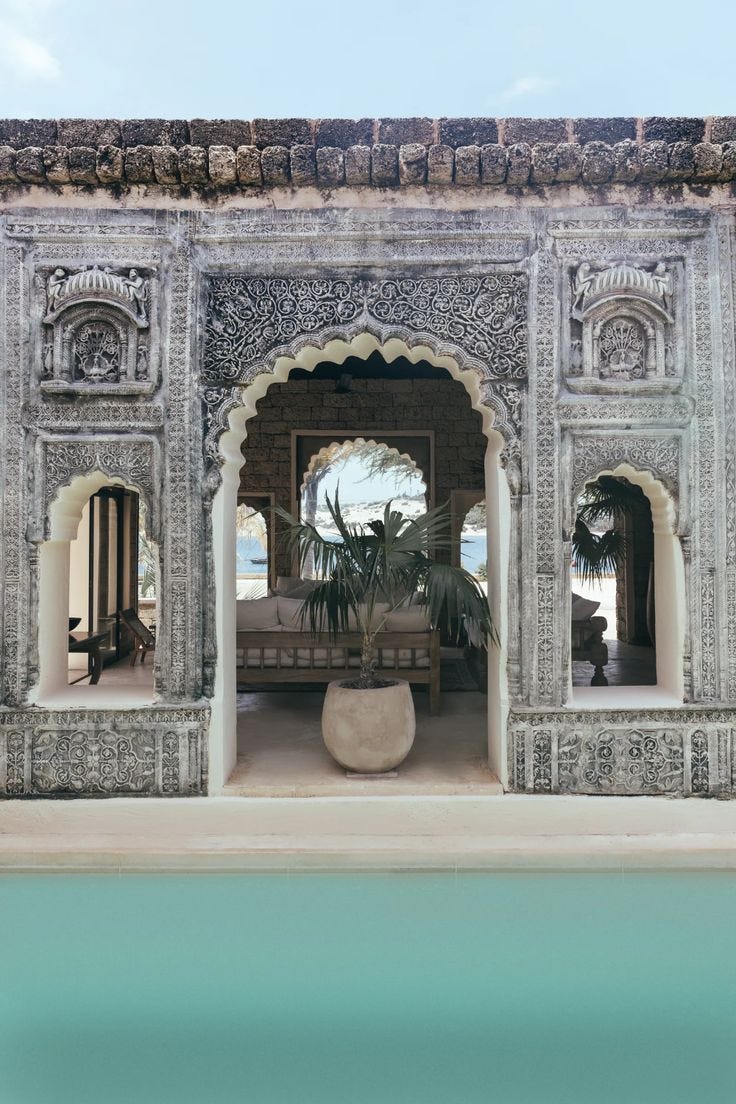
UNESCO’s account gives the city’s history a material precision that generic claims of ‘fusion’ can obscure. Lamu’s buildings employ coral stone, lime and mangrove timber, and many interiors contain niches, courtyards and carefully arranged spaces that respond to domestic life and climate. The town has been continuously inhabited for over seven centuries, while its Maulidi festivities and religious learning reflect an enduring Islamic public culture. These details help distinguish Swahili architecture from an anonymous mixture of foreign influences. People adapted available materials and new ideas to local institutions, producing a built environment whose continuity depended on craft knowledge and social use.
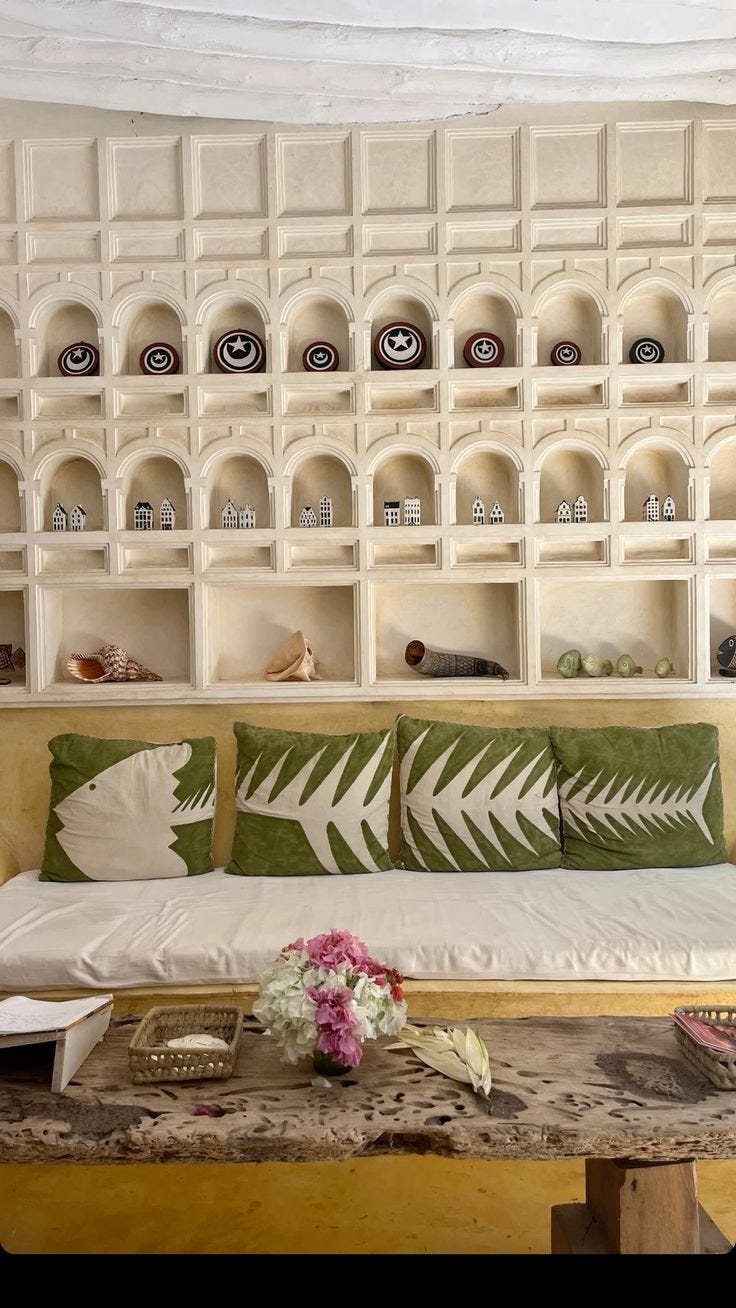
Domestic architecture offers especially rich evidence of how Swahili families translated historical contact into patterns of privacy, hospitality and everyday life. Its courtyard could mediate the boundary between public commerce and private family life, while reception spaces and decorated interiors helped express social standing and hospitality. Decorative niches, known as zidaka and madaka, and the use of imported ceramics reveal how objects from distant markets acquired meaning within local settings. A porcelain vessel might have traveled across an ocean, but the decision to display it in a particular architectural composition belonged to the people who inhabited the house. Cultural influence became part of an African visual language through everyday choices.
The religious and scholarly history of Lamu further demonstrates that commercial connections were accompanied by influential exchanges of intellectual and devotional practice. The town developed as a center of Islamic and Swahili learning, with scholarly networks linking it to other cities along the coast and overseas. Such learning helped shape ceremonial life, public institutions and the organization of urban space. The history cannot be contained within a tourist image of intricate doors or atmospheric alleys. Those details belonged to a society with intellectual institutions, trade interests and changing social hierarchies, including inequalities that accompanied coastal commerce and slavery in the wider region.
International heritage recognition also creates tension between protecting historical fabric and sustaining the lives of current residents. A town’s architecture may be internationally admired precisely when its residents face pressure from tourism, changing property values and infrastructure development. UNESCO’s designation emphasizes Lamu’s living social and cultural integrity, which implies that conservation must consider the experiences of those who occupy and maintain its buildings. Preserving an old town cannot mean fixing it as a picturesque stage for outside consumption. Its houses, religious practices and streets require space for contemporary life.
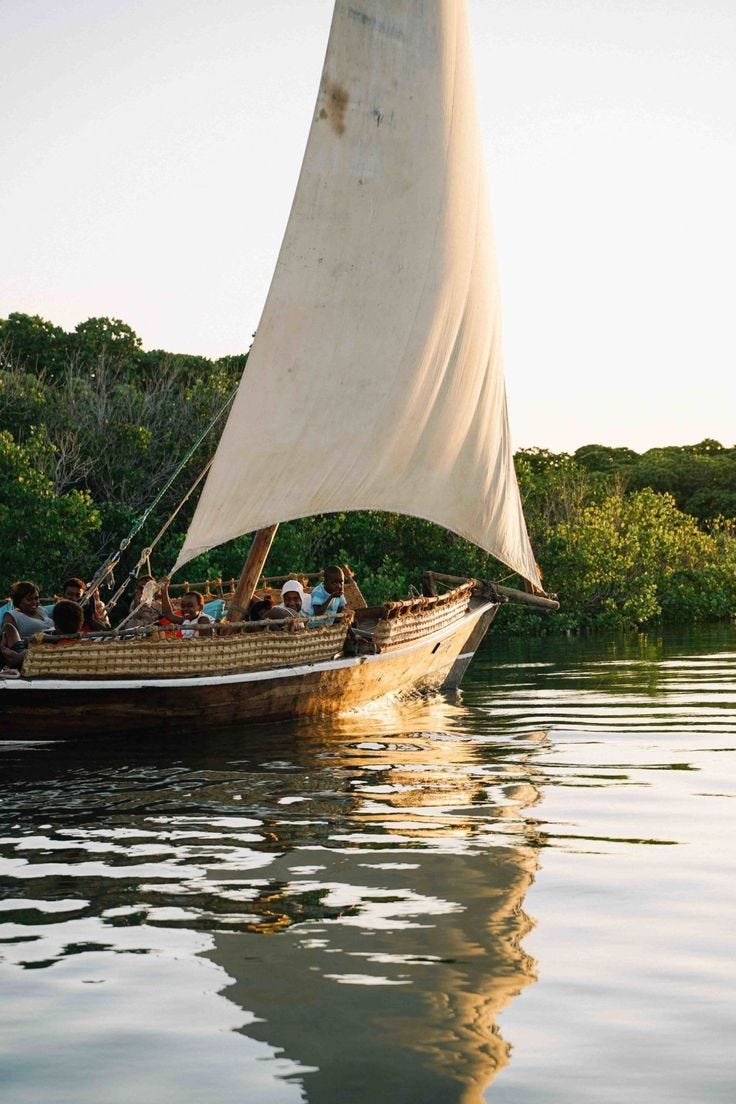
Lamu also challenges the idea that African architectural history should be organized into a binary between indigenous authenticity and foreign influence. Such a division misreads the Indian Ocean, where movement and exchange were constitutive features of urban culture. The questions worth asking concern power and choice: who controlled trade, who owned property, who worked the materials, and how were outside ideas transformed within local social worlds? These questions protect historical agency without pretending that cross-cultural contact was always equal.
The carved doorway, coral-stone house and shaded street each testify to a coastal culture shaped through contact and local decision-making across many generations. Lamu’s architectural inheritance can be understood only when its builders and residents remain central to the story, with the obligations and inequalities of maritime exchange acknowledged alongside creative adaptation. Its history offers a richer account of African urbanism, one in which connection to the wider world is part of a distinctive local intellectual tradition