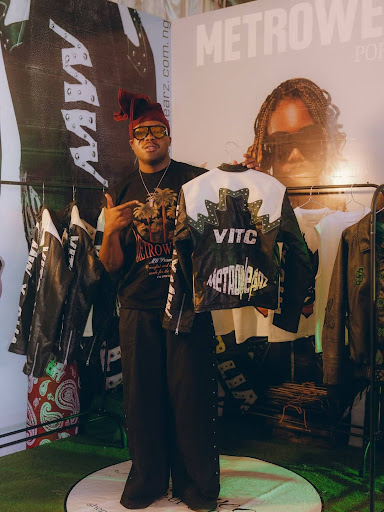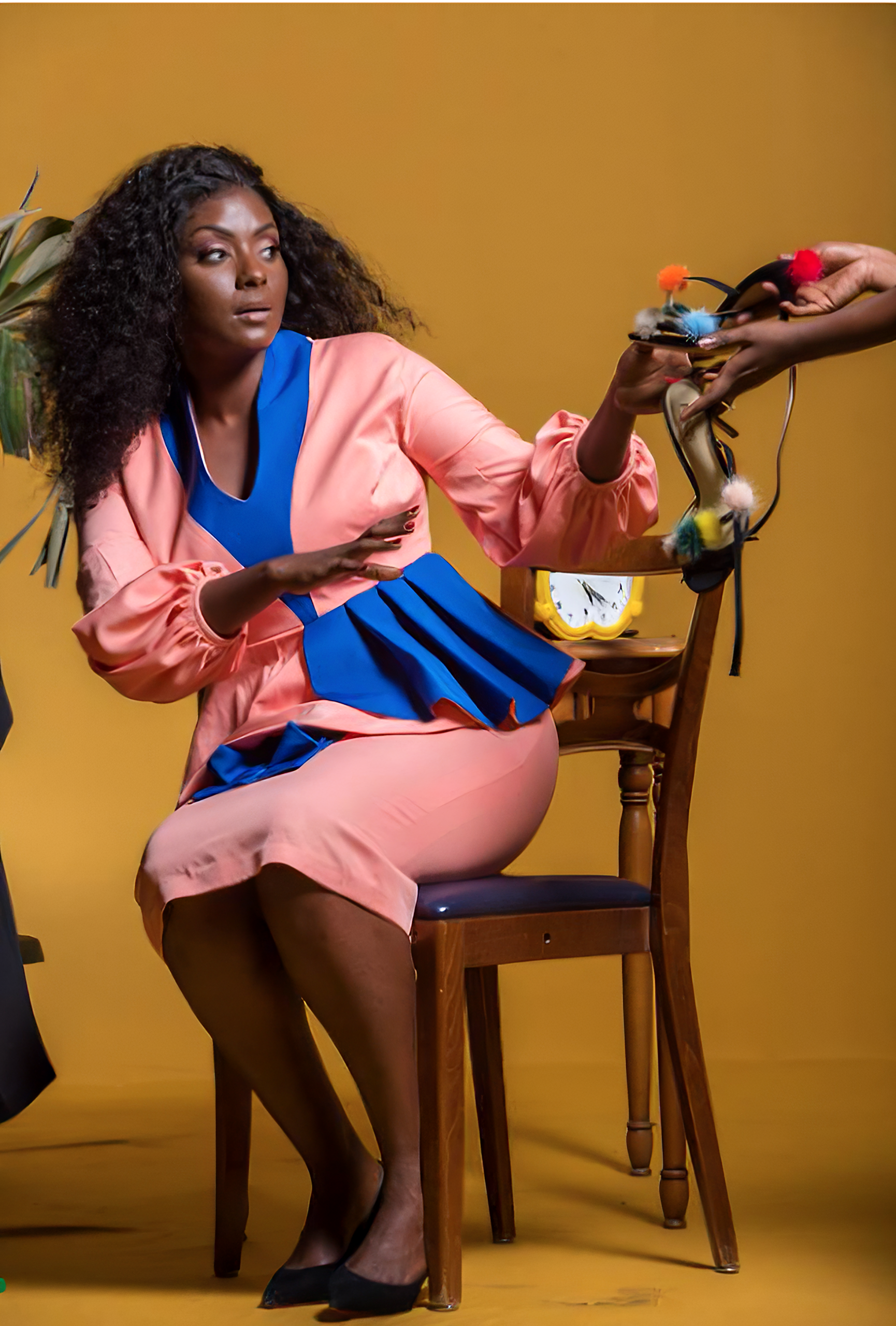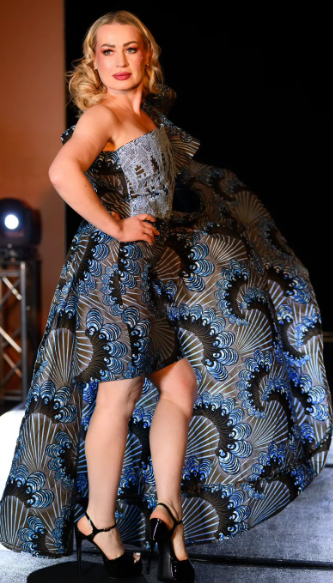

Moses Iliya is a creative born and raised in Abuja, Nigeria, a city defined by order, planning, and structure. His work, however, takes the opposite direction. Known for mixing heritage with Alté fashion, Moses builds his practice through deconstruction, hands-on making, and independence from conventional systems.
Working within an environment with limited access to factories and manufacturers, he learned early that creation required full involvement. Every stitch, silhouette, and decision had to be handled personally. What began as necessity became method, and eventually, identity.
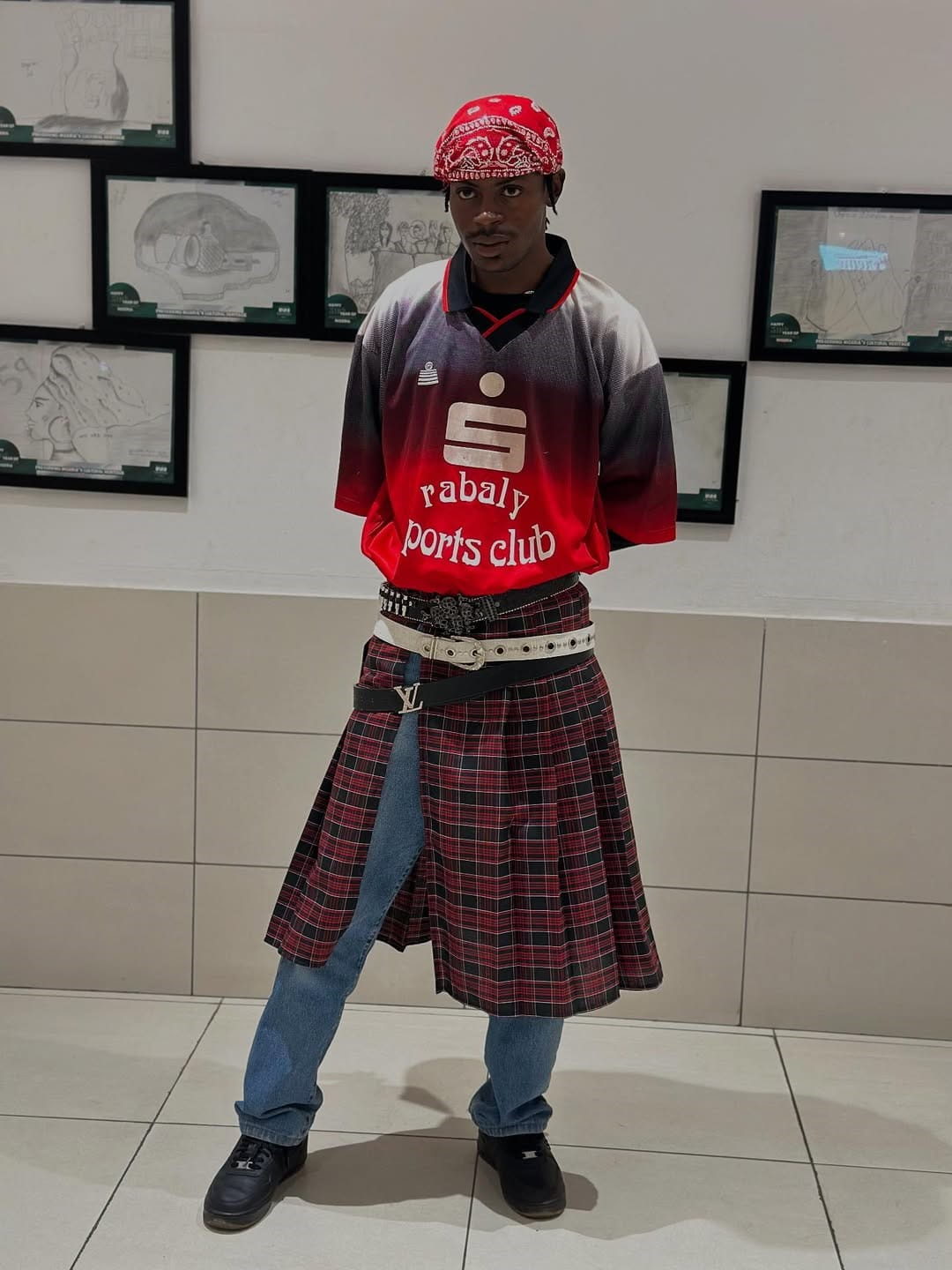
As a child, Moses was driven by curiosity. He often took objects apart and tried to put them back together, a process that often ended in chaos. That instinct stayed with him.
“That same spirit of deconstruction defines my work today,” he says. “I take rigid structures, break them down, and reassemble them to reflect my own point of view on craftsmanship. I don’t just follow the blueprint. I rewrite it.”
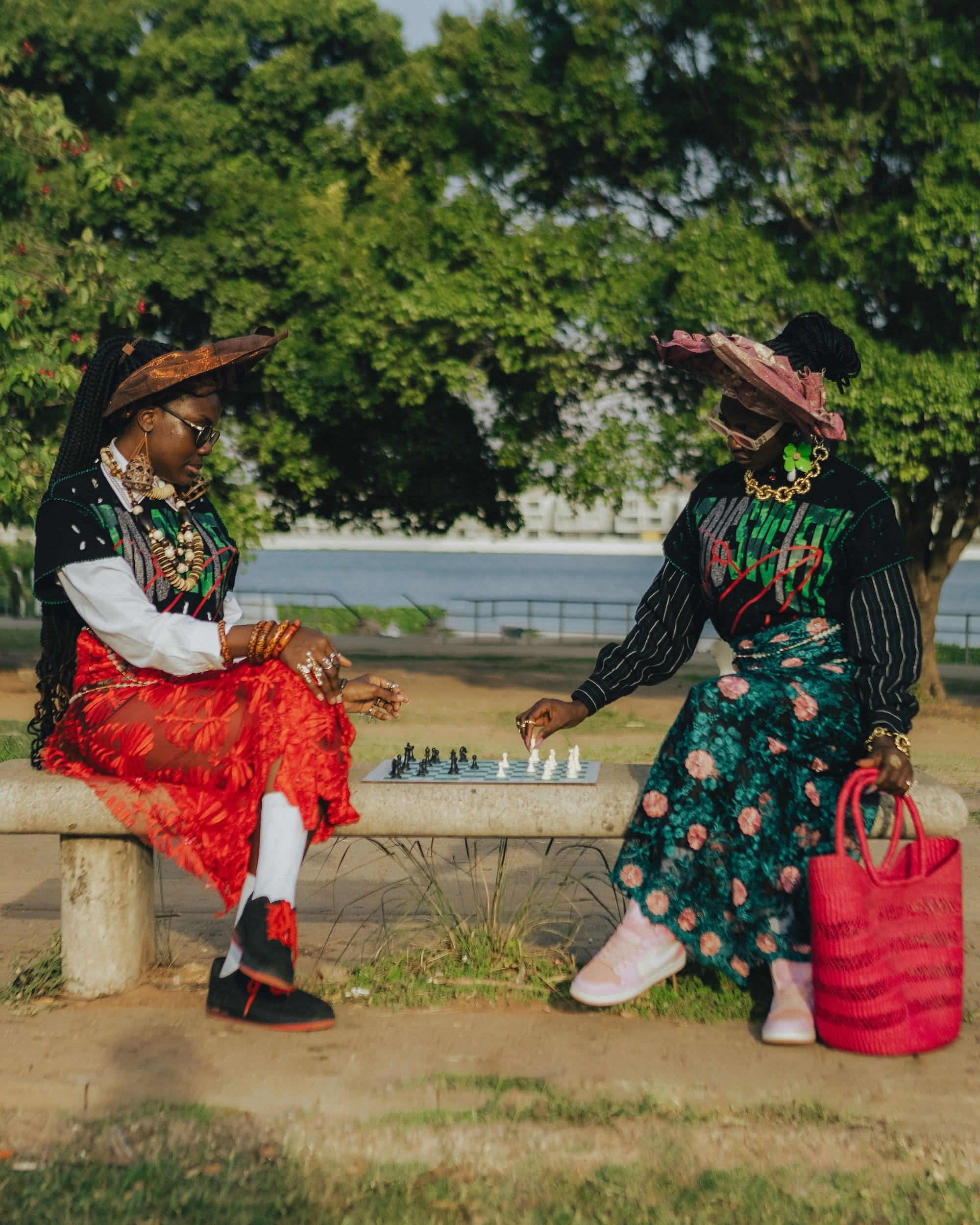
His creative process begins with a question. From there, he studies form, structure, and material, then takes them apart before rebuilding them into a finished piece. Moses does not work from a fixed path. Each project evolves through trial, adjustment, and revision until it conveys the information he is trying to pass across.
Alté fashion is the central focus of Moses’s work. “I’m obsessed with the way it breaks traditional rules and mixes them with new energy. It matters to me because it’s about more than just clothes” He explains “it’s about the freedom to deconstruct who we are and rebuild ourselves however we want”.
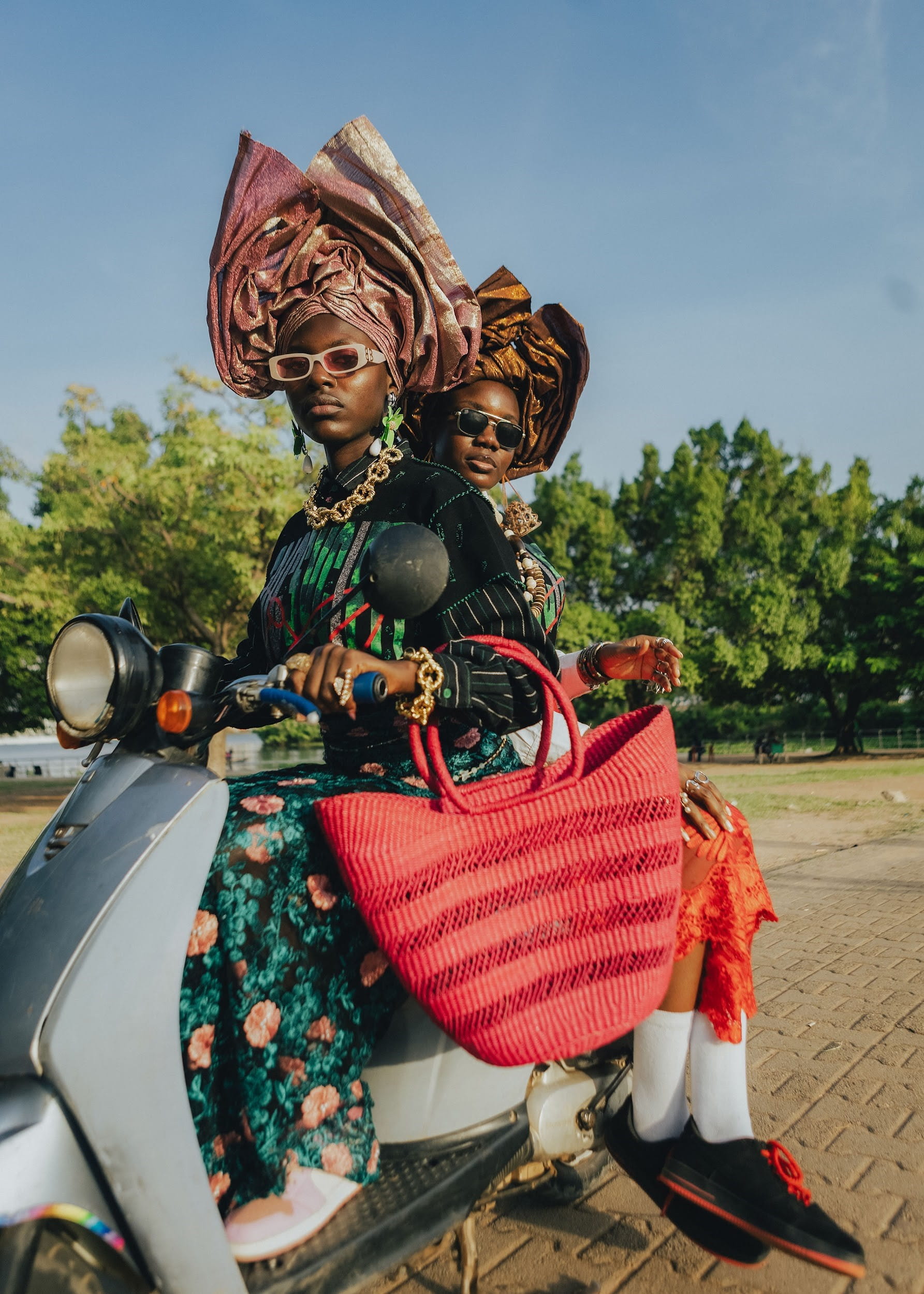
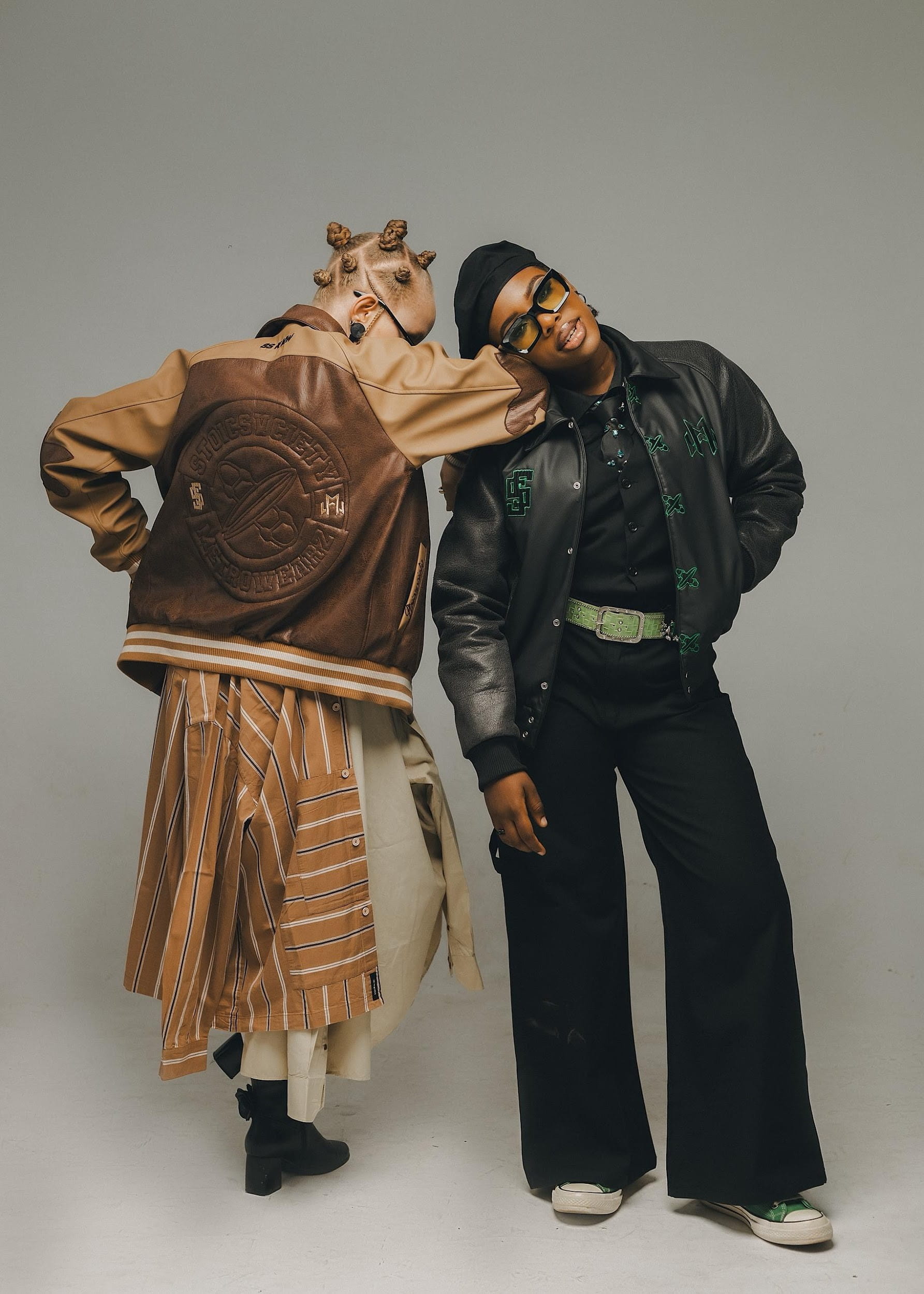
One of the biggest challenges Moses faced was the absence of proper infrastructure within the local fashion industry. He creates and continues to create in a place with limited infrastructure. This means that there is limited access to production facilities and outsourcing was not an option
Limited access to production facilities meant that outsourcing was not an option. To beat this challenge, he learned to create garments from scratch.
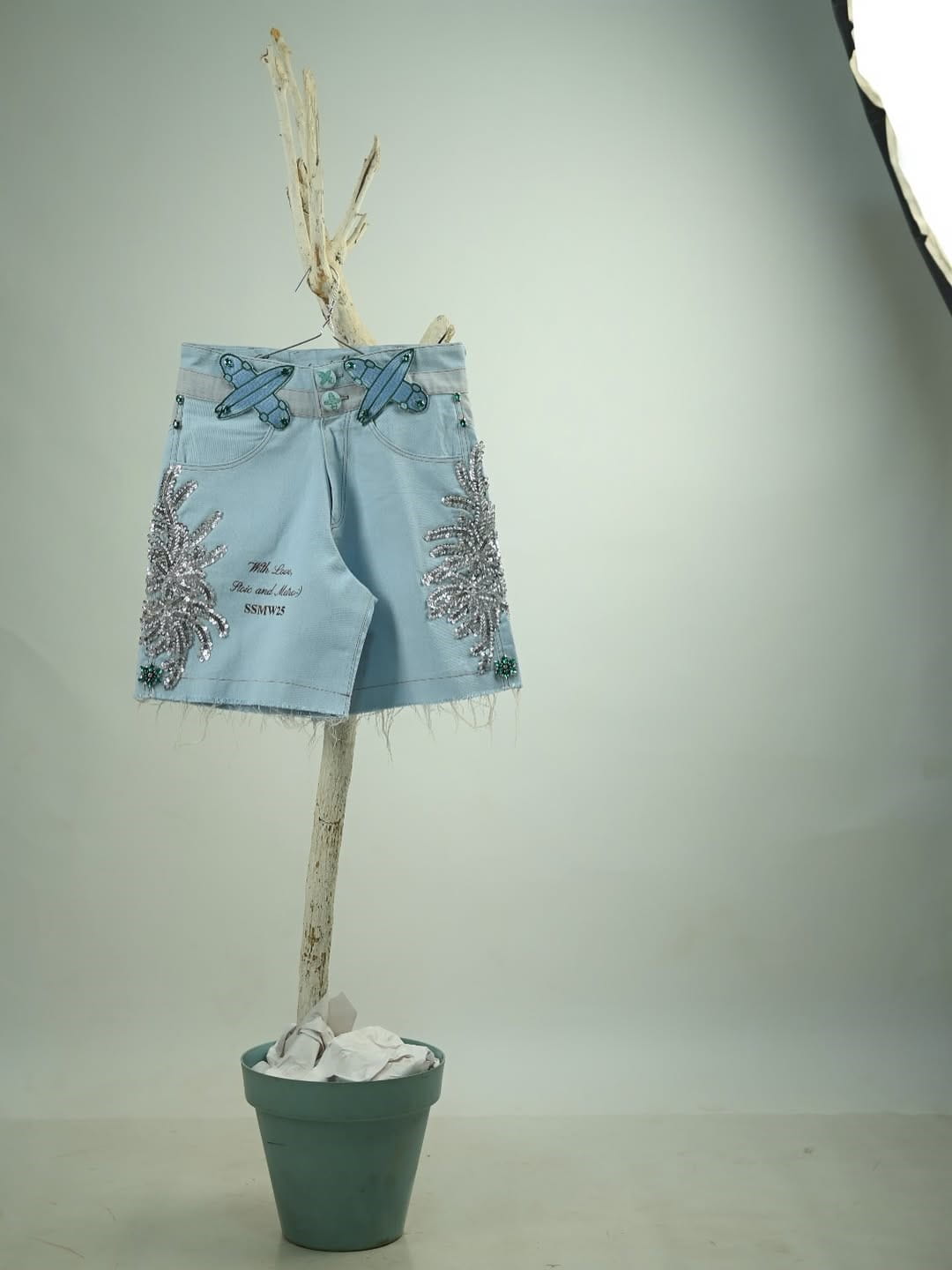
This limitation has given him a different kind of strength. “But that struggle is exactly what shaped my voice. It didn’t stop us, it made us stronger. Because we had to touch every stitch and build every silhouette by hand, we became completely free. We aren’t dependent on a system; we own the process. It turned us from just ‘designers’ into kings of our own craft.”
Moses’s work is shaped by both culture and community. “My culture gives me the pieces, but my community gives me the vision,” he says. He draws from familiar elements, then breaks them down and reconstructs them within the Alté world.
Because the work is built by hand and locally, the narrative remains his. “We aren’t just following fashion. We are making history.”
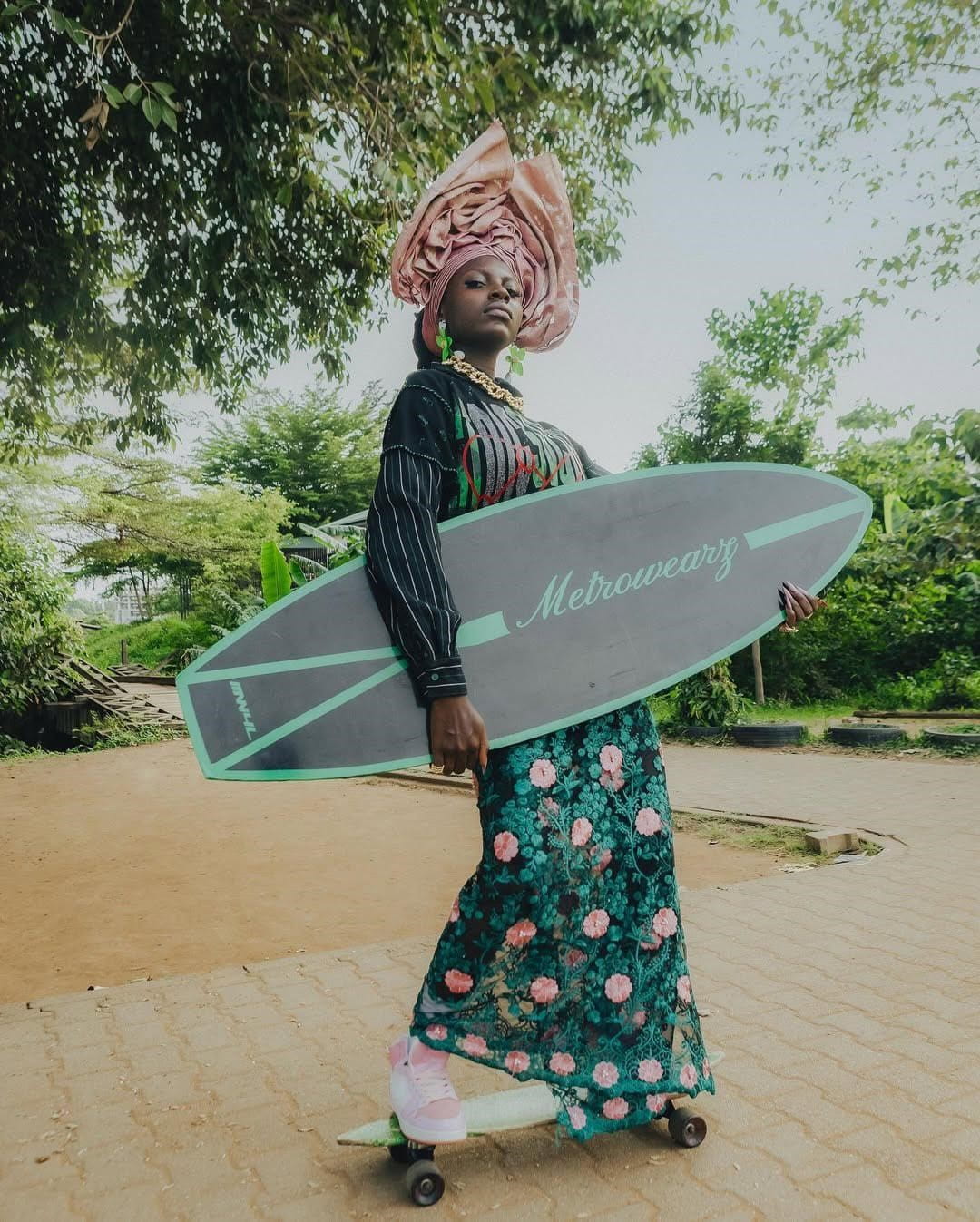
Through his practice, Moses hopes to contribute to conversations across Africa and the diaspora about independence, resilience, and creative ownership.
“I want to s
how that we are kings of our own craft,” he says.
Using Alté fashion as his medium, he challenges the idea that African culture is fixed or outdated, instead he presents it as active, evolving, and authored from within.
Success, for Moses, is measured by freedom and sustainability. Artistically, it means influencing younger creatives to approach African heritage with confidence and originality. Financially, it means proving that creatives can build and sustain their own systems. Personally, it means remaining curious, committed to Alté principles, and grounded in his roots.
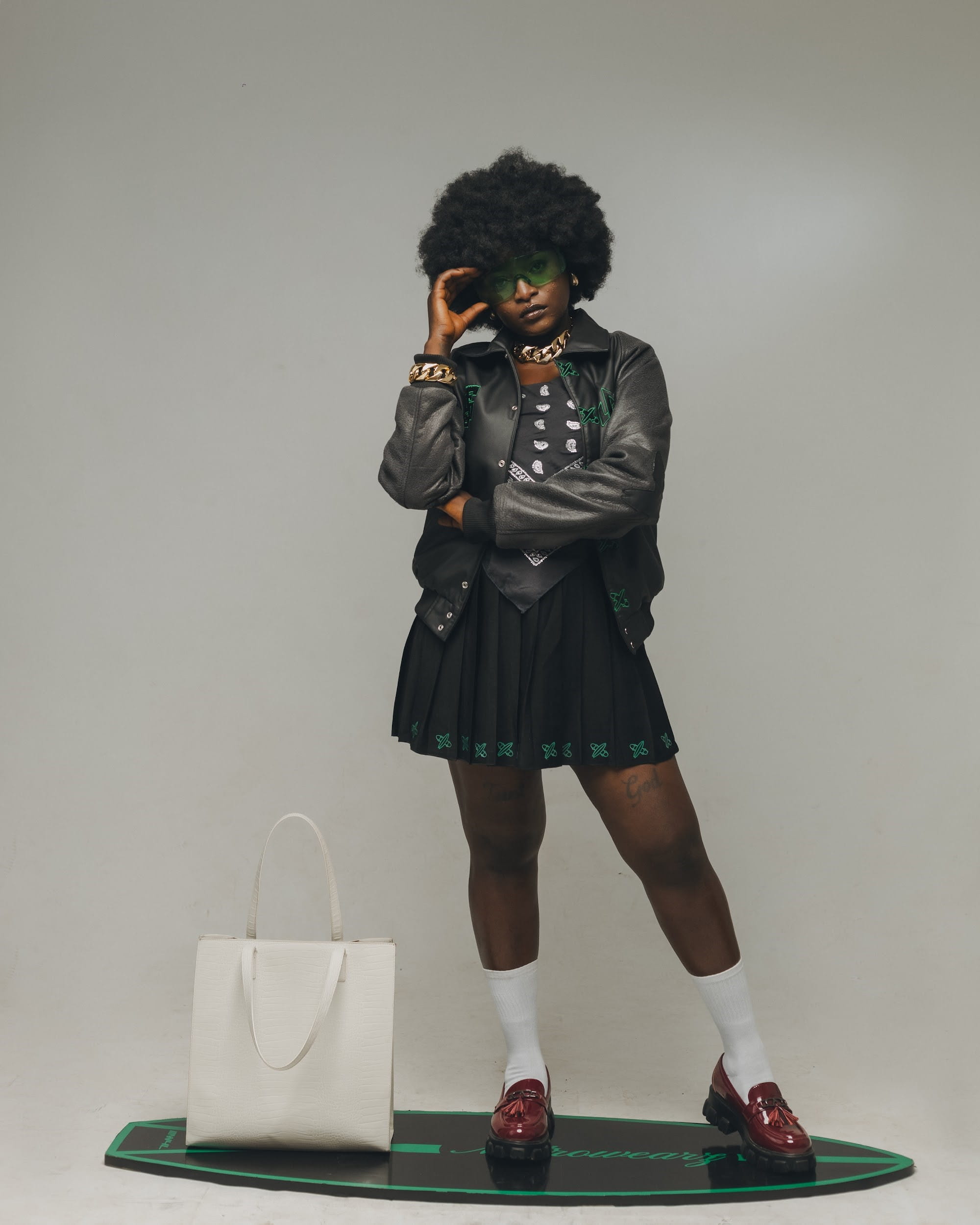
Moses is focused on taking Alté fashion to a global audience while helping to build a lasting home for craft in Nigeria.
“We learned to make everything ourselves out of necessity,” he says. “Now, we are turning that struggle into a standard.”