0
0
Your Cart

No products in the cart.

Remove All Items
0
0
Your Cart

No products in the cart.

Remove All Items

The Brilliance of Halima Ghadji and the Spaces She Occupied

Written by: Dumebi Favour Ezekeke

Some lights burn so brightly that when they go out, the world feels a little dimmer.
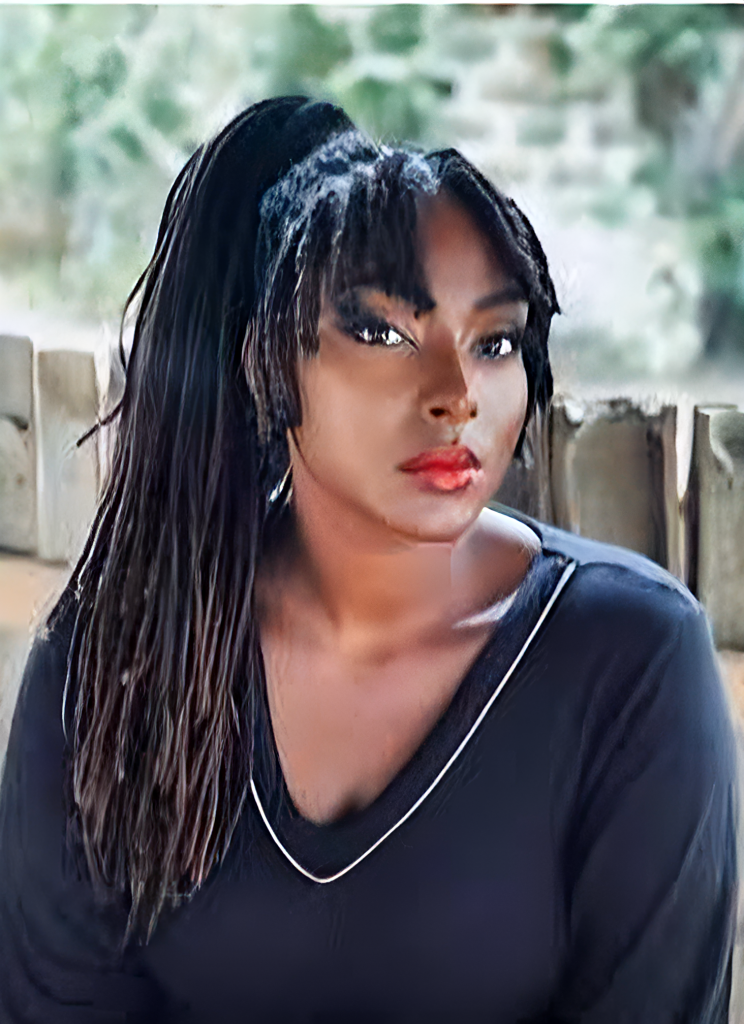
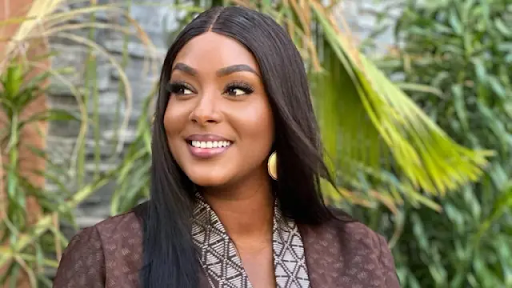
On the 26th of January, 2026, 36-year-old actress Halima Ghadji, known famously for her role as Marieme Dialle, the heroine of the series Maîtresse d’un homme marié (Mistress of a Married Man), had the curtain pulled on her life. Her passing leaves a void beyond her work on screen. Halima was a light unafraid to explore complexity, a presence that bridged worlds and cultures. BBC Afrique described her as a ‘singular and independent voice’, someone willing to speak openly about mental health and societal pressures while remaining unapologetically herself. Before we settle with the unsettling feeling of her absence, it is important to remember the career she built and the choices she made to make her voice heard. Her work went beyond entertainment. Its reflection on the importance of mental health awareness in African societies and the ways in which such conversations can be expressed and experienced through art.

Building A Career Shaped By Intention

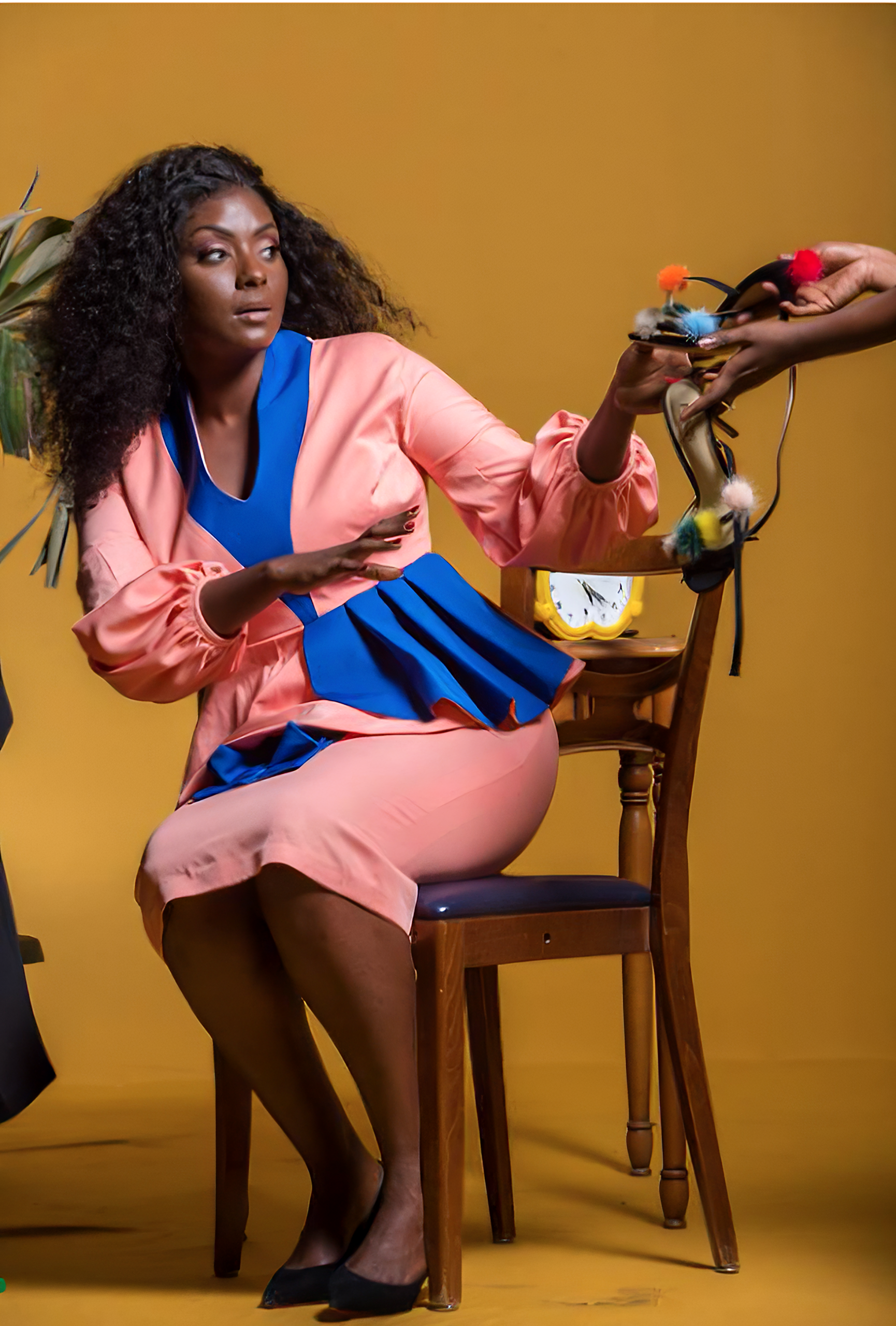
The story of Halima was never one to be put into a singular model. Starting from her birth. Although she was born in Senegal’s capital; Dakar, she was a multi-dimensional fusion of cultures from birth. Having a senegalese father and a Moroccan-Algerian mother. She always had the conviction that she had a place on screen. Halima Ghadji always knew she belonged on screen. At a young age, she stepped away from school to pursue acting. Although the decision came with certainty, the path was not. She was repeatedly turned down from roles because of her stutter. And, had to find other ways to stay close to the industry while waiting for her big break. She began as a model, appearing in campaigns and magazines, before moving into television advertising and presenting. On screen, she was described as engaging and present. Someone who easily connected with her audiences. Her acting break  came in 2015 with Tundu Wundu, directed by Abdoulahad Wone, marking her entry into Senegalese television.

She gained wider recognition with Seuy Bi 2.0 between 2017 and 2019, where she played Aïcha, a lead role that established her ability to portray emotionally grounded and believable characters. Between 2018 and 2020, she expanded her range in Sakho & Mangane, a crime series directed by Jean-Luc Herbulot and broadcast on Canal+ Afrique and Netflix, proving she could move beyond domestic narratives into darker and more complex storytelling. Her most defining role, however, came with Maîtresse d’un homme marié between 2019 and 2021. The character of Marème Dialle was particularly controversial in Senegal and beyond because the series addressed realities that were widely lived but rarely discussed. Popular and youthful reactions to the show pointed to how closely the story mirrored everyday experiences. The character of Marieme was not created to be liked but very real. That realism is what made the role, unforgettable. 

Public Recognitions and Conversations Around Mental Health

The more renowned she became, the more vocal she was about topics that people were aware of but rarely discussed openly. One of the most prominent for her was mental health. Halima spoke publicly about her struggles with depression, burnout, and psychological pain in interviews and on social media, often sharing how these experiences shaped her life and her work. In 2021, she spoke on Instagram Live about severe depression, a burnout diagnosis, and periods of hospitalization she faced during her career. She also appeared in the documentary Don’t Call Me Fire, directed by Oualid Khelifi, where she spoke about mental health and the stigma surrounding it.Her advocacy, much like the character of Marieme, was not always met from a place of understanding. There was ridicule and dismissal. But that reaction did not change how present mental health struggles are in African societies.

Let’s Talk Mental Health

In African societies, there are many things that exist but are not exactly street favorites. Like the uncle everyone avoids but who still shows up to family events. Mental health problems sit in a similar place. They are present, known, and often ignored. Research shows that nearly 150 million people in Africa live with mental health conditions, including depression, anxiety, and substance use disorders. In recent years, this has contributed to rising suicide rates, especially among young people. Yet, conversations around mental health remain limited. Depending on who you speak to, you might be prayed for, told to be strong, or advised to stop taking life too seriously. Those who choose to seek professional help are often labeled or judged. The stigma becomes part of the struggle.Mental health is too important to be reduced to silence or shame. When the mind is overwhelmed, it becomes difficult to think clearly, to plan, or to move forward. One of the most important things Halima did was create space for honest conversations. By speaking about her own struggles, she made it easier for others to admit theirs. Not from a place of having it all figured out, but from a place of trying, and letting others know they were not alone.

Self-expression in ‘controversial’ art
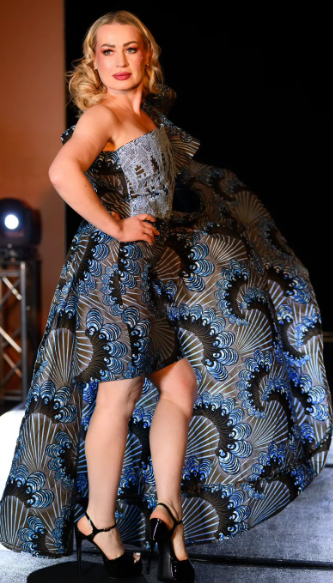
Halima is often described as a person with a “controversial” body of work. But in this case, controversy is simply an umbrella term for realism. Her work was never about shock value. It was about honesty. It was about holding up versions of people and their realities that many were used to hiding or refusing to name. On January 26, 2026, the news of her death broke. Senegal’s Ministry of Culture, Handicrafts, and Tourism confirmed her passing, with conversations even emerging around a possible national tribute. Just hours before her death, she had taken to social media to encourage young people to participate in a cultural project. Days earlier, she had shared a message that would later feel haunting in its simplicity, asking only for prayers and forgiveness if she had ever caused harm. In the aftermath, it was the public that seemed to search for forgiveness. The messages she tried to pass on were often seen, but rarely fully received. Younger audiences admired her independence and honesty, while older generations dismissed her as immoral or incompatible with traditional expectations placed on Senegalese women. That tension mirrored the very spaces she spent her career occupying. Spaces where society recognized itself, yet recoiled at the reflection. This is why her work resonated so deeply, and also why it was often met with resistance. As we sit with the pain of her untimely passing, we must also remember her for how fully she lived. We must speak openly about mental health in African societies and resist repeating the silences that isolate people in their suffering. We must look to art not only as escape, but as self expression, as something that first makes us think, and then invites us to reflect, to question, and to speak openly about the things that make us uncomfortable. Let us remember Halima for how bright her light was.

Rest in Power, Halima Ghadji.

Subscribe To Our Monthly Newsletter

Don’t miss a thing! Sign up to get new content sent directly to your inbox.