
Written by Kemi Adedoyin
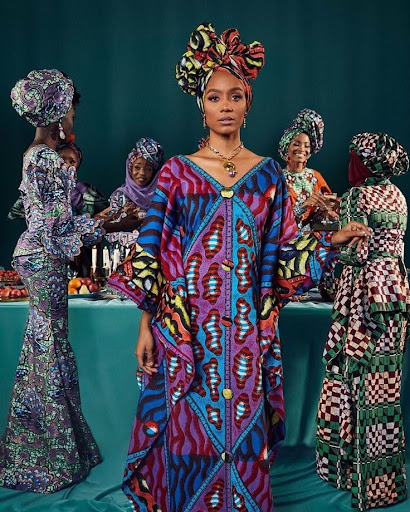
Between the sunlit streets of Dakar and the layered creative pulse of Montreal, Oumar Oualy has been building something larger than a portfolio. A photographer, filmmaker, and creative director, he is the founder of Lumaly, a Senegalese studio shaped by a single, deliberate conviction that African creatives deserve the structures, ambition, and craft to tell their own stories on a world stage. His work moves between editorial elegance and cultural intimacy, but underneath every frame is a project, the building of a creative ecosystem where authenticity is not a trend but the foundation.
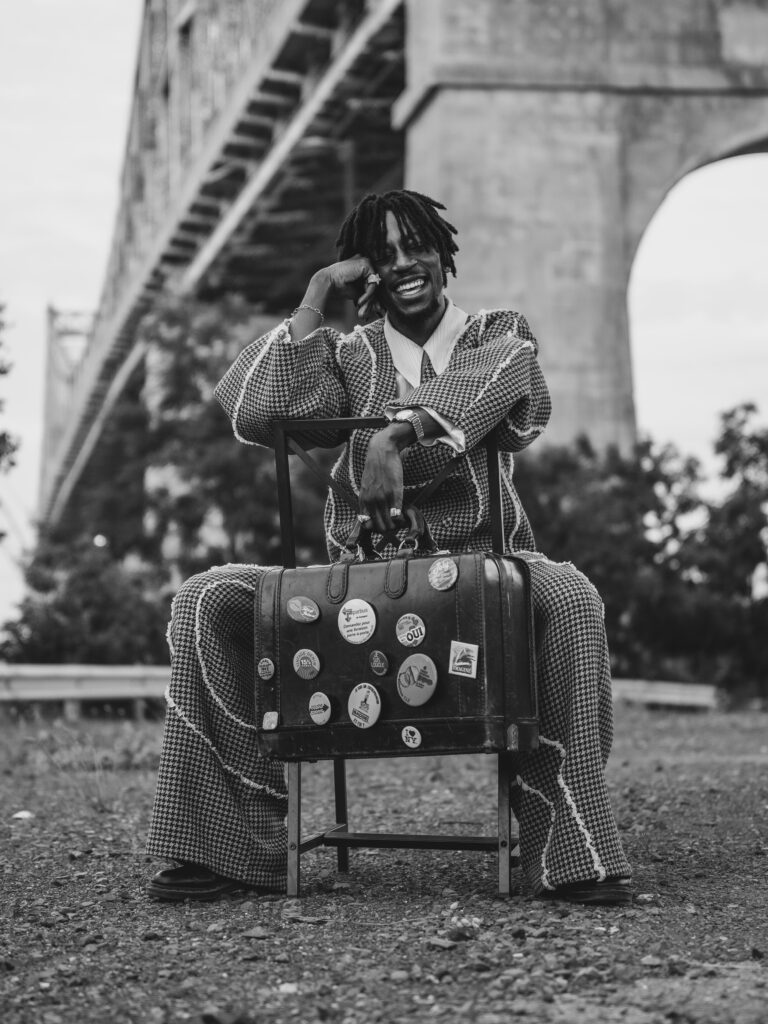
His journey into image-making began only a few years ago, almost by accident. Drawing, painting, and music had long been part of his life, but it was a friend’s suggestion in late 2022 that pushed him to look at the world through a lens.
“Starting with my iPhone, I quickly fell in love with capturing moments,” he says. Filmmaking followed naturally, “because some stories need movement, rhythm, and time to be fully expressed.”
What began as instinct has since matured into intention. Today, Oumar describes himself less as someone who makes images and more as someone who shapes vision, atmosphere, and meaning.
Oumar’s creative eye is rooted in Senegal, but sharpened by the distance of living abroad. Growing up in Dakar gave him a deep cultural inheritance, the gestures, landscapes, and rituals of everyday life that now thread through his work. Studying in Montreal offered him a different kind of inheritance: exposure, breadth, and new languages of art.
“That distance helped me appreciate the beauty in my own culture,” he reflects, “the everyday gestures, landscapes, and memories that carry deep meaning.”
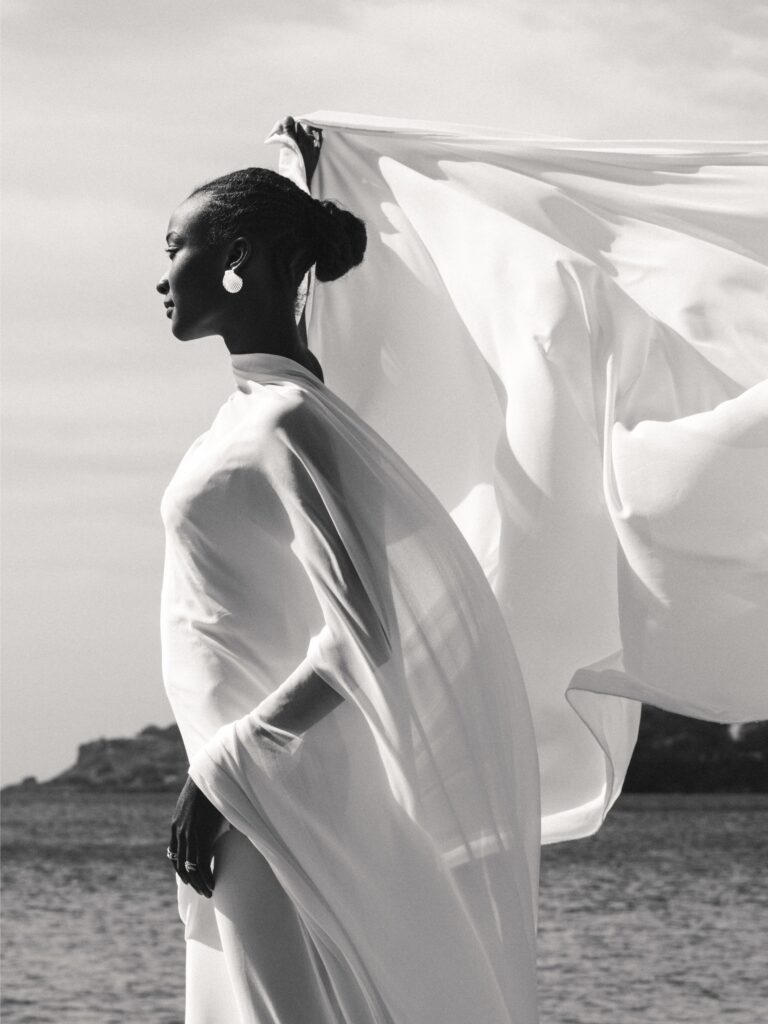
He cites Pharrell Williams, Jean-Michel Basquiat, and Rick Rubin among his guiding influences, multidisciplinary artists whose work refuses to sit inside a single medium. It is a fitting lineage. Oumar’s own practice resists tidy categorisation, moving fluidly between still image, film, and direction.
Lumaly was not the product of a single decision. It emerged, slowly, as Oumar’s ambition outgrew the limits of working alone.
“I wanted a space to build a team, work on bigger projects, and bring structure to ambitious ideas,” he says. The studio is part workshop, part philosophy. Its purpose, in his words, is “to show that African creatives can produce world-class work while staying authentically African.”
That distinction matters. For Oumar, global standards and African identity are not opposing forces to be reconciled but elements that can, and must, exist within the same frame.
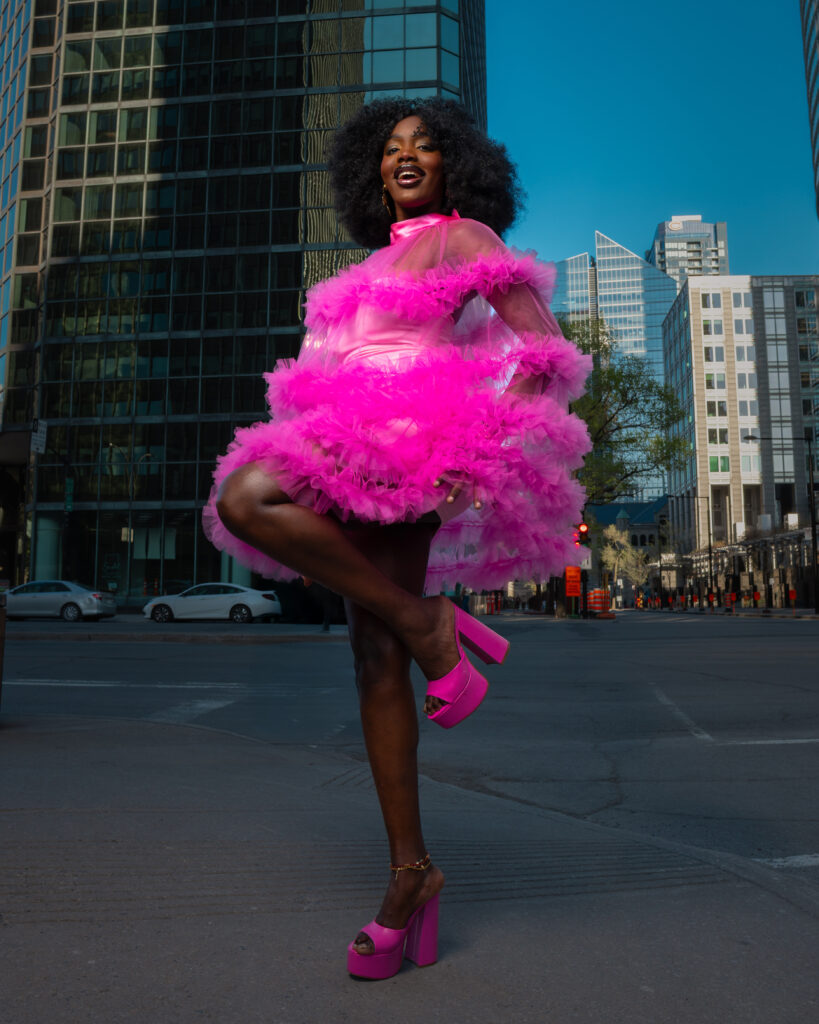
Ask Oumar what is lacking in Africa’s visual storytelling landscape, and his answer is honest. The talent, the stories, and the cultural depth, he insists, are already in abundance. What is missing is infrastructure.
“What’s often missing are structures that help artists realize their vision,” he says. “Funding, support, spaces, and people taking creativity seriously.”
It is a familiar tension across the continent: brilliance without scaffolding. Through Lumaly, he is trying to build a piece of that scaffolding himself, a creative environment that doubles as a community, hosting exhibitions, mentoring emerging talent, and raising local production standards using the expertise he gathered abroad.
“Lumaly is about creating platforms where African creatives can thrive and shape their own narratives,” he says.
The themes that surface again and again in Oumar’s work are insistent: identity, culture, memory, and the architecture of human emotion. Even when a project is commercial or editorial in nature, he insists on threading something deeper through it.
“I always try to go beyond the surface and create something that feels meaningful and authentic,” he says. “In the end, I want my work to tell stories that people can genuinely connect with and remember.”
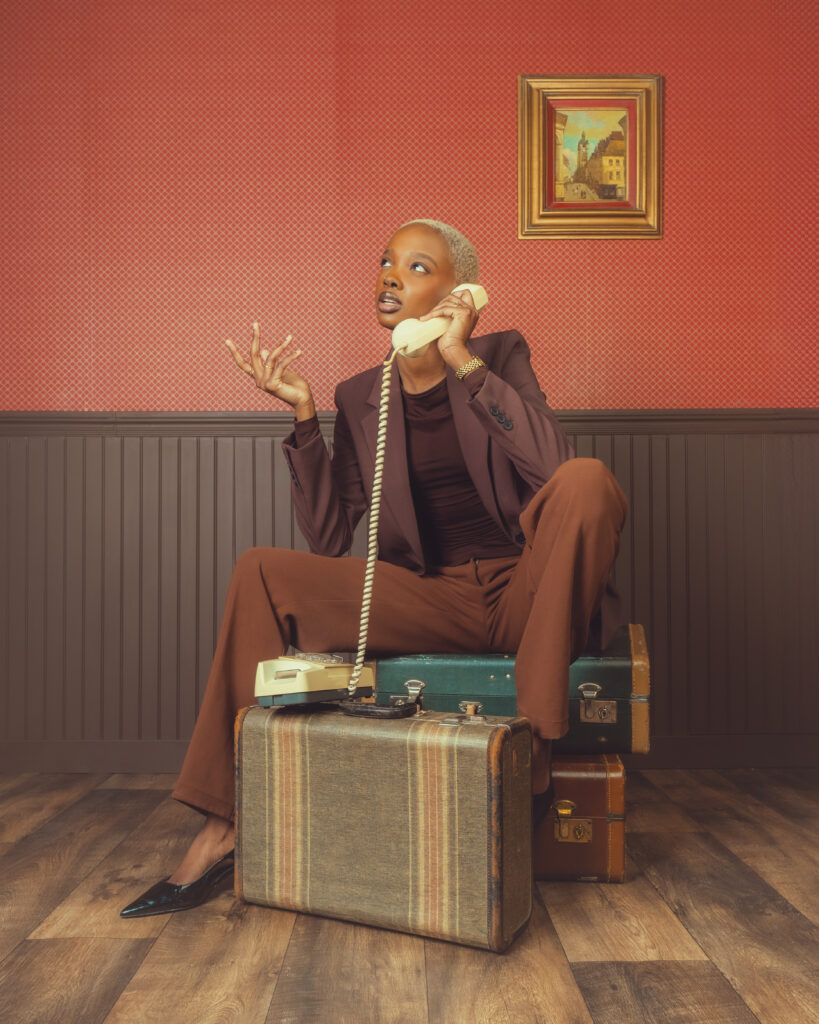
His process reflects that intention. Personal work tends to begin with a feeling, a conversation, a memory, a fleeting image. Larger productions are more architectural, beginning with understanding a client’s vision, then building outward through mood boards, styling, locations, and post-production. But in either case, the question he keeps returning to is the same: what story is actually being told, and why does it matter?
Lumaly’s current slate includes short films, creative productions, and ongoing client collaborations, each one, Oumar says, designed to push both visual and technical boundaries while remaining rooted in Senegalese narrative. The ambition is not visibility for its own sake but longevity.
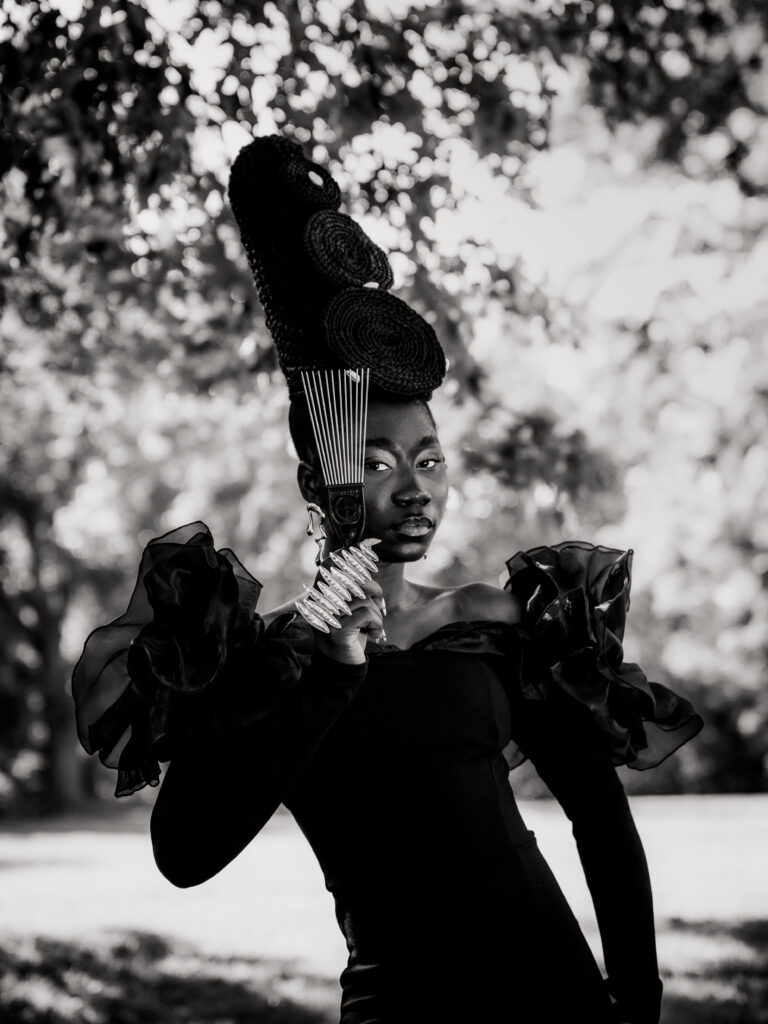
When asked what he would tell younger African photographers and filmmakers hoping to build their own studios, Oumar’s answer is steady, almost paternal.
“The most important lesson is to believe in yourself, truly, deeply, no matter what.”
But belief, he is quick to add, must be married to discipline. In the early days of any studio, the founder is also the accountant, the project manager, the producer, and the cleaner. Learning to hold all those roles, he says, is not optional.
“Always upgrade your knowledge, how to lead, innovate, and push your work further.”
His final reflection is perhaps the most demanding. Comfort, he warns, is the enemy of innovation.
It is, in many ways, a description of Lumaly itself. A studio still in its early chapters, but already shaped by a conviction larger than any single project: that African storytelling, told from the inside, with care and craft and patience, can hold its own anywhere in the world.