
By Hadassa Serrano
Noire Fashion Columnist, Africa
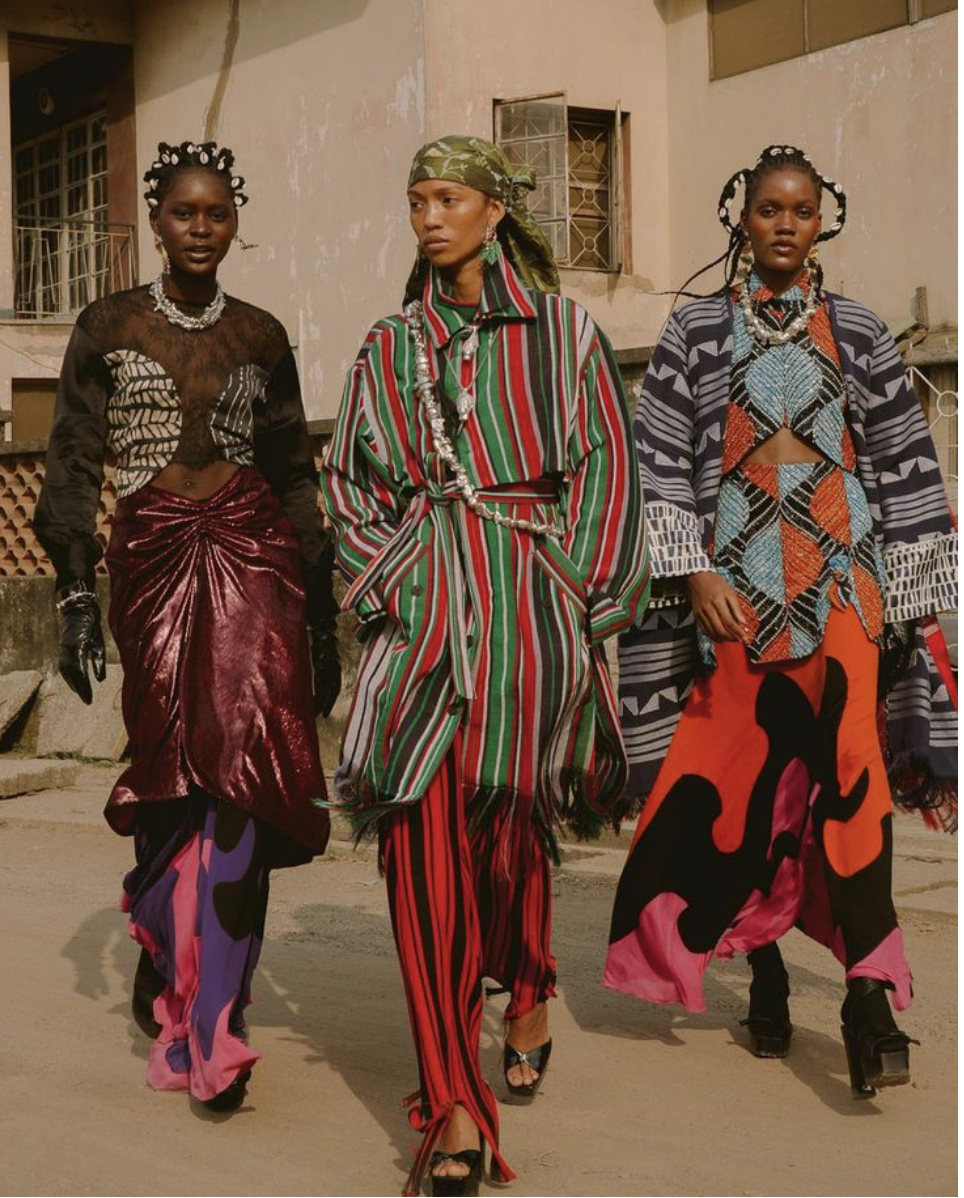
When I first started learning about the fashion industry, one thing became very clear to me as a beginner: fashion primarily functions within the “big four” cities—Milan, New York, Paris, and London.
The very first fashion show I watched was a Jacquemus runway show, and the first designer names I memorized were primarily European or American. When I thought of luxury brands, names like Prada, Gucci, and Chanel immediately came to mind. The fashion industry has long-established credibility and infrastructure around these four cities, positioning them as global fashion references.
Upon closer examination, it’s evident that these cities have built a strong reputation in the fashion world, hosting four ready-to-wear collections each year, two couture collections (exclusive to Paris), additional cruise collections, and numerous major fashion events. However, it seems inequitable that fashion outside these big four is often deemed “non-luxury.” This has led to an almost universal belief that for a brand to be considered a luxury brand, it must either be based in one of these cities or designed by creators from those regions.
The reality is that we live in a world rich in diverse backgrounds, heritages, ethnicities, and creativity that cannot be confined to just four cities. This perception especially affects African fashion, which is often seen as merely a celebration of culture and heritage rather than a serious industry driven by innovative creatives. African fashion is often reduced to a symbol of culture, with garments that may represent a nation or community but are not afforded global market value.
Africans are admired for their creativity and ethics in fashion production, yet they rarely receive proper credit for their contributions. We have unconsciously been marginalizing African fashion, preventing it from transcending its role as an economic engine.
When a garment is made in Africa, it becomes heritage by default, whereas one made in Italy is considered luxury as soon as it passes the production stage.
When an African designer lets his creativity shine, the world calls him talented, but when it comes to a European or British designer, they’ll call him a genius or a trendsetter.
A garment labeled with the “Made in Africa” tag is often seen as modest, despite representing a high level of quality and craftsmanship.
The truth is that there is a gap between African and Western fashion. However, it is unjust to view African fashion as merely an accessory to the global fashion industry. Many designs, logos, and techniques—such as strip weaving, resist dyeing, and hand embroidery—draw inspiration from Africa. The continent has significantly influenced the arts, music, fashion, and even the natural medicine sector, but this impact is often unrecognized.
In this article, I aim to explore the potential of African fashion, looking beyond its heritage and cultural significance to consider its role in luxury fashion and the broader industry. Every exploration begins with a question, and that brings me to my first one:
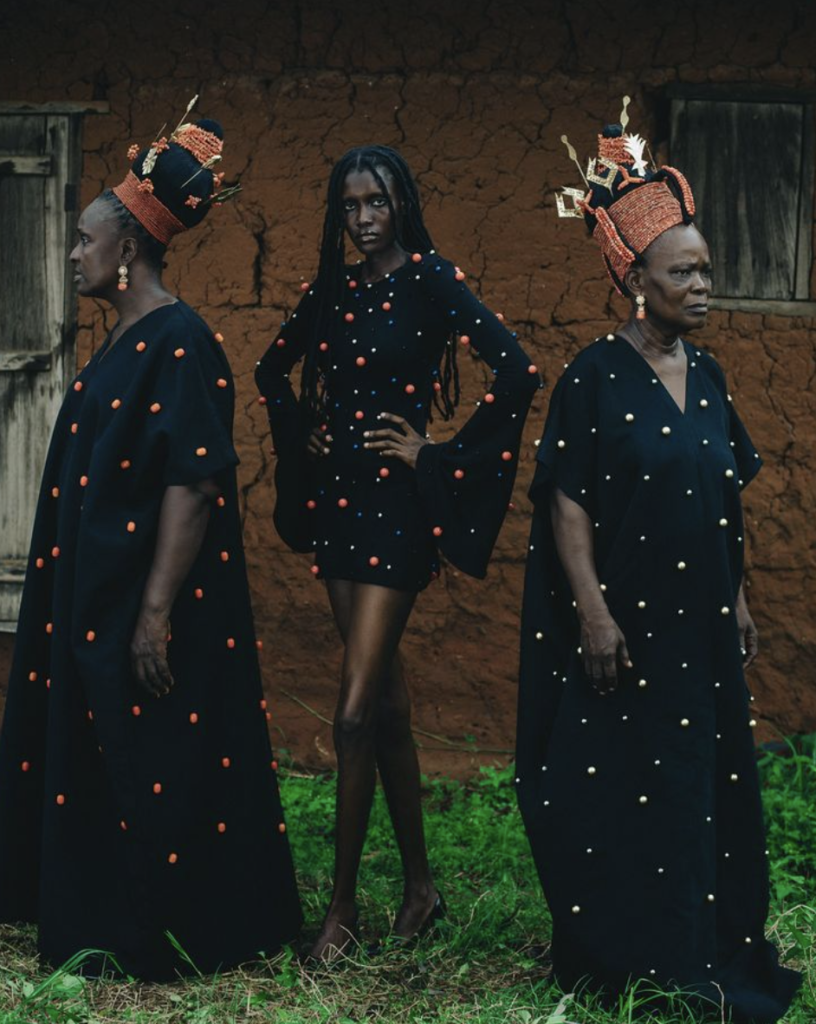
 I formulated this question during a conversation with a relative last week while discussing the importance of visibility for African talents and creatives.
As the discussion progressed, I paused and asked my niece, “Who do we create for as Africans? For ourselves, for the world, or for validation?” This question struck me enough to force me to sit with myself as a fashion writer and ask hard questions.
The fashion industry has traditionally operated in a way where producers dictate consumers’ desires. Designers and editors decided what was worthy of attention, what consumers should purchase, and what was considered stylish. This approach has been the norm for decades. However, the current landscape is different; today, consumers have more power to define their own desires, rather than being guided solely by trends and superficial notions of luxury. In the meantime, African fashion has always been viewed primarily as a cultural expression, with wearing African garments seen as a way to honor heritage and represent culture. Still, it is rarely considered the norm in everyday wardrobes. As a result, African clothing is often reduced to cultural attire and not recognized as luxury items suitable for prestigious stages and global platforms. Our clothing brands are often defined as non-luxury because we do not fit into the mass-production rhythm and the big-four schedules of the fashion calendar. The reality, however, is that Africa has its own distinct climate, needs, and lifestyles that do not necessarily align with Western standards. In Africa, we create clothing that reflects the lifestyles of the people. We design garments that cater to various lifestyles and occupations, while accommodating different body types and structures to ensure both movement and comfort. Our creations are suitable for a wide range of events, including ceremonies (such as weddings and birth rituals), cultural celebrations, social gatherings, and everyday routines.
In contrast, Western fashion often emphasizes fantasy and glamour over practicality. This emphasis on aesthetics can sometimes distract us from what true luxury really is.
In Western fashion, luxury is often depicted through fantasy, glamour, and embellishment. Many silhouettes are often impractical, barely wearable, and uncomfortable, typically worn by celebrities, public figures, and actors. In contrast, most African clothing is designed with practicality in mind, prioritizing movement and comfort. While Western fashion is created to nurture fantasy and glamour, African fashion is designed to dress people in their realities and daily occupations. We design clothing as an advantage in people’s wardrobes, not for an illusory lifestyle. We designed garments that resonate with our surroundings and our people’s needs, and that adapt to the atmosphere around them.
The target markets in the Western region and in Africa differ significantly, leading to distinct production requirements. As a result, the production rhythm and overall output must be tailored to meet the specific demands of each market. Factors such as consumer preferences, economic conditions, and cultural nuances play a crucial role in shaping these targets, necessitating a customized production approach that accommodates the unique characteristics of each region.
There is another troubling reality among many African creators that frequently leaves me irritated. This concern prompts me to ask: Why do so many African brands feel the need to seek validation from the Western fashion industry to be recognized as legitimate players in the global fashion scene? It seems that, despite the rich cultural heritage and unique perspectives African designers bring to the table, there is a pervasive belief that Western standards must endorse their work for recognition and respect. This raises important questions about the dynamics of power, influence, and acceptance within the fashion industry and highlights a broader issue of how African creativity is often measured against Western benchmarks rather than celebrated in its own right.
A collection is deemed incomplete unless it aligns with Western standards; a designer’s talent is questioned until they receive international recognition; an African garment is seen as worthless unless worn by someone from abroad; and a fashion creator is only taken seriously if they studied in the West or adopted Western techniques.
Let me clarify—I’m not against blending contemporary or Western influences with African crafts and identity. However, I refuse to accept the idea that we should measure African fashion by Western standards. Too often, we undervalue our own creations and talents until they receive validation from outside sources.
Designers are frequently urged to adopt a Western-centric approach to fashion, with the expectation that they craft collections intended to capture the attention of the Western market. This often translates into aspirations to dress Hollywood, sometimes at the cost of their own artistry and often without compensation. This relentless quest for validation from outside sources is not only limiting but also restrictive. As long as Western ideals shape our vision of what a thriving fashion industry should be, we will continually chase standards that do not resonate with our unique cultures, traditional crafts, and inherent creativity.
Africa is a continent rich in diversity, bursting with creative talents, compelling stories, and a wealth of craftsmanship that is often overlooked. If we reduce this incredible heritage to the mere pursuit of a Westernized, standardized fashion aesthetic, we risk diluting our unique identities. Instead of creating innovative clothing that reflects our artistic voices and highlights our traditional techniques, we could end up replicating foreign standards cloaked in new designs.
Our focus should shift towards celebrating and promoting the richness of our own narratives and artistry. By doing so, we can not only showcase our creativity but also establish a position of global recognition—not out of a desperate need for validation or attention, but to create a genuine space where African fashion thrives on a larger stage. Our contributions must become a norm in fashion worldwide, enriching global wardrobes with our distinctive styles and perspectives. Embracing our uniqueness will allow us to carve out a place in the international fashion industry that is authentic and reflective of who we are.
In today’s world, it should be normal for African fashion to be incorporated into daily life, featured on larger stages, included in people’s wardrobes, and acknowledged as a legitimate industry that is gradually developing its infrastructure. African fashion is no longer just an afterthought; it has become an integral part of the global fashion industry.
The question of whom we are designing for extends beyond simply identifying the wearer of the garment; it delves deeply into the designer’s perception of their creative work. When a garment takes shape, the designer engages in a thoughtful process that considers multiple factors: who will wear the piece, the occasions on which it will be worn, and the various ways it can be styled. However, an equally crucial aspect is how the designer views their own creations. If they aspire to secure validation based on Western standards of excellence, no matter how many individuals they dress or how high the quality of their designs, they may struggle to recognize their work as truly outstanding. This internal conflict can limit their artistic vision and prevent them from celebrating the unique narratives their garments can tell.
Decolonizing African fashion starts with a crucial step: redefining who we are designing for. This process involves a deep, thoughtful reevaluation of our identity and the cultural narratives we embrace, particularly on the global stage.
By reflecting on our heritage and the unique stories we wish to communicate through our designs, we can create collections that are authentic and resonate with our diverse audiences. When we design primarily to validate external markets or trends, we risk stifling our creative expression. This pursuit of approval can create a cycle in which others dictate our standards, limiting our ability to innovate and thrive.
Instead, we should aim to celebrate and elevate our cultural inspirations, recognizing the richness of our history and its relevance today. Embracing this approach allows us to unlock our full creative potential and contribute meaningfully to the global fashion landscape, ensuring that African fashion is not merely a trend but a powerful statement of identity and artistry.
The conversation doesn’t end here. Another topic that has me questioning is the perception of African fashion, particularly in the context of luxury. Our garments are often labeled anything but luxurious, which leads me to wonder:
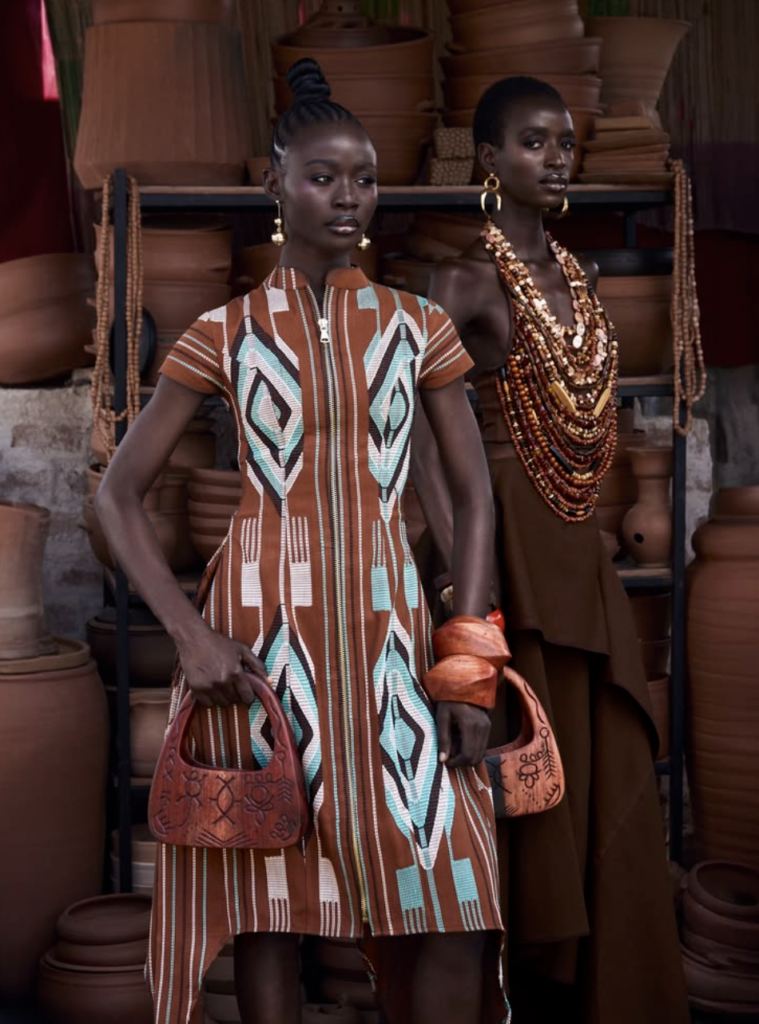
The luxury fashion industry is intricately categorized and primarily centers around four major fashion capitals: Milan, New York, Paris, and London. These cities are renowned for hosting the most prestigious fashion events, collectively known as fashion weeks. Each year, these events occur twice, showcasing two key seasons: Fall/Winter and Spring/Summer. Designers and brands unveil their latest collections to a global audience, which includes influential buyers, fashion critics, and media representatives.
In contrast, African countries such as Senegal, Congo, and Nigeria are only recently beginning to establish themselves in the fashion landscape. Efforts are underway to create their own fashion weeks and cultivate a robust fashion infrastructure that supports local designers and artisans. These initiatives are essential for fostering creativity and innovation within the African fashion scene, which is rich in cultural diversity and artistic expression.
While the established fashion capitals have developed a comprehensive framework that generates substantial revenue and serves as the epicenter of the global fashion industry, it is crucial to recognize that luxury should not be defined solely by the standards set by these cities. The emergence of African fashion recognizes that luxury can also be expressed through unique narratives, craftsmanship, and cultural heritage. By broadening our understanding of luxury in the fashion industry, we can appreciate the diverse contributions and growing significance of emerging fashion markets worldwide without shrinking ourselves to fit.
In Western cultures, luxury in clothing is often associated with glamour and spectacle, creating an image of extravagant lifestyles and ostentatious designs. Meanwhile, in Africa, the concept of luxury takes on a different meaning. In Africa, luxury is deeply rooted in practicality and functionality, prioritizing high-quality materials and craftsmanship that enhance the wearer’s experience. Each garment tells a story, reflecting cultural heritage and artistry, with a focus on enriching daily life rather than simply serving as a status symbol.
Our clothing is designed to resonate with the wearer’s lifestyle and occupation while providing quality and artistry that becomes in itself a form of luxury, one that satisfies the wearer’s needs and adds value to their wardrobe instead of becoming another fictional addition to the wearer’s wardrobe.
Our luxury speaks three languages:
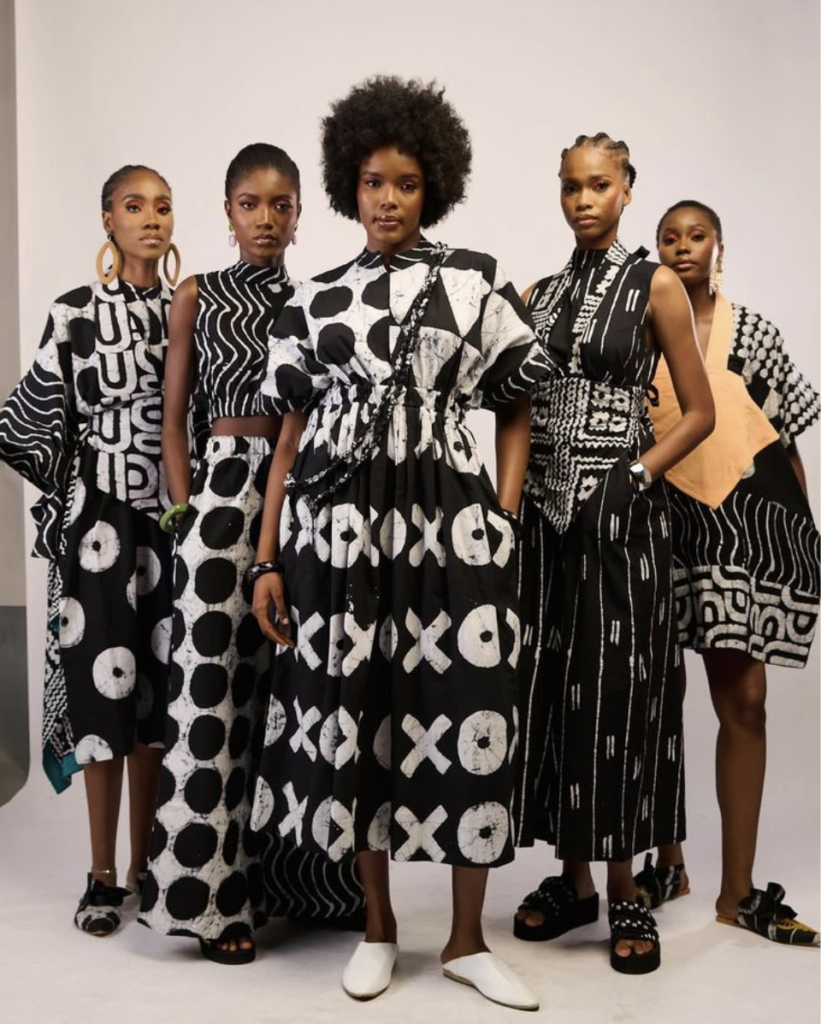
I firmly believe that there is nothing more satisfying than wearing clothing that effortlessly blends into your lifestyle without placing demands on your mobility. Think about the older women who spend long hours in bustling markets, skillfully selling their goods. Consider the dedicated workers and artisans who labor in workshops, where the need for freedom of movement is crucial. Reflect on the bus drivers navigating busy routes or office employees sitting at desks for extended periods. For these individuals, garments that romanticize their lives serve no purpose. Instead, what they truly need are clothes that offer comfort, ease, and practicality.
For decades, African designers have excelled in creating clothing that meets these criteria while also embracing creativity. They have managed to craft garments that do not compromise practicality even in their playful designs. This balance allows wearers not only to feel at ease but also to express their individual style, proving that functionality and creativity can coexist harmoniously in our wardrobes.
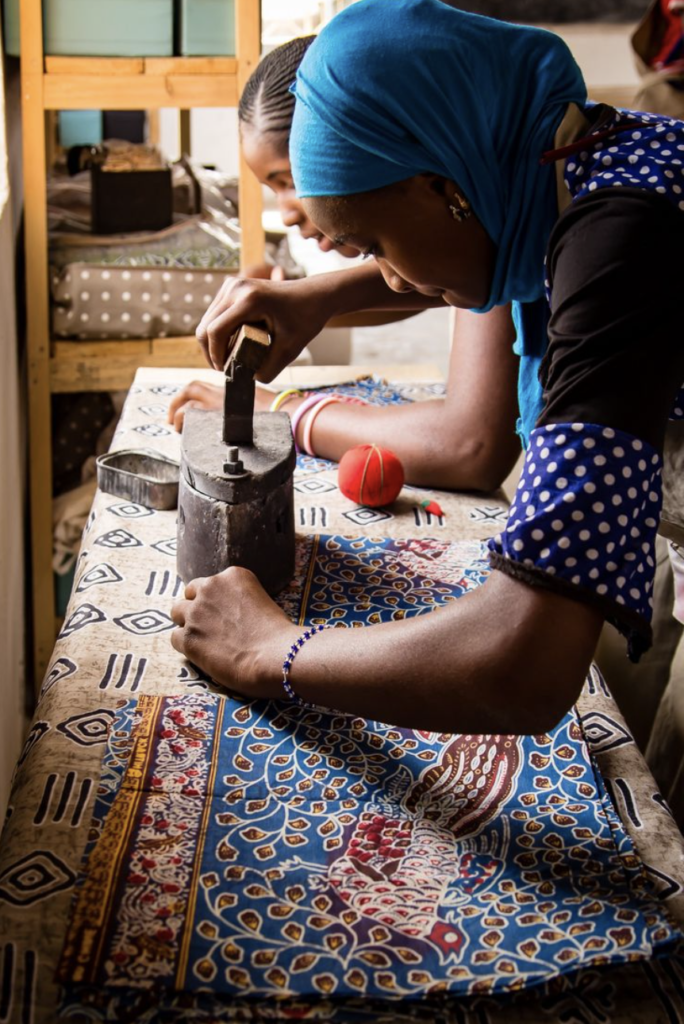
One of my favorite sayings about African savoir-faire captures its essence perfectly:
“Craftsmanship in Africa is a lived experience before it is taught in institutions.”
This profound statement highlights that the art of making garments transcends mere instruction; it is embedded in the daily lives and practices of artisans. The way a garment sits on the wearer’s body and the meticulous attention to detail in the finishing touches reveal that it is crafted with care and thought. Furthermore, the ethical production practices we embrace are not merely standards to uphold; they are ingrained norms that mold our approach to fashion.
Our craftsmanship is not just a means to attain success; it is the byproduct of our realities, where skills are passed down through generations as a foundational norm, whether in fashion, the arts, or any other creative pursuits. We approach craftsmanship as an ongoing journey of mastery rather than a final goal, as evidenced by the durability and timelessness of our garments. This dedication to quality ensures that our creations not only look beautiful but also stand the test of time.
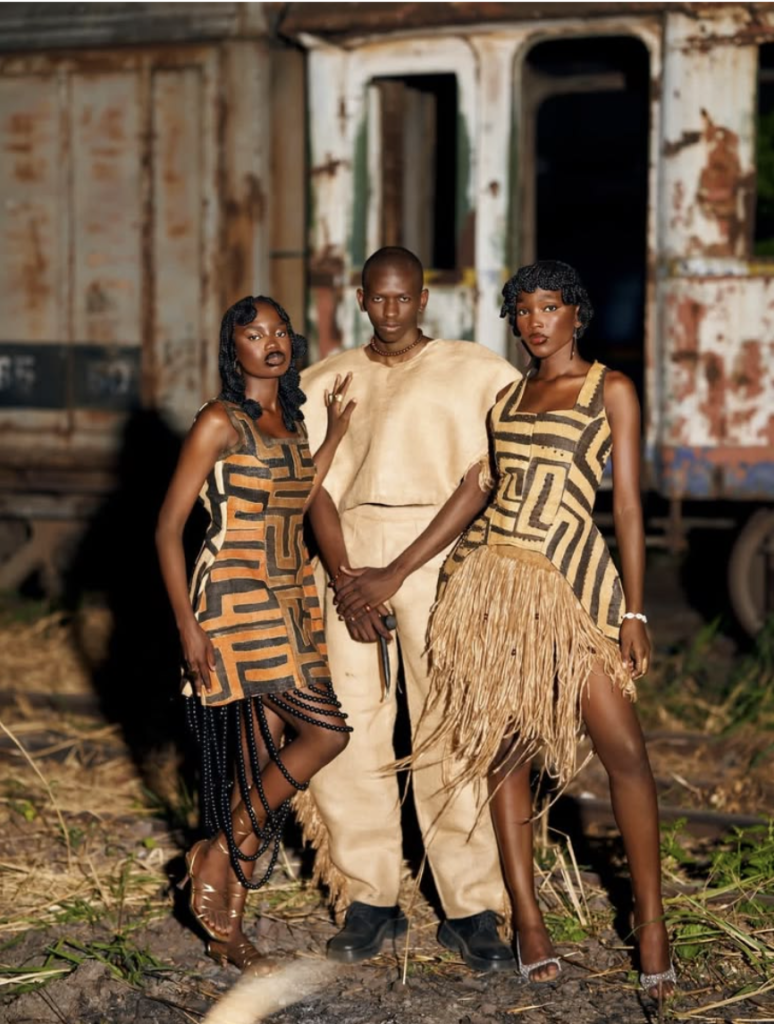
Creativity in African fashion is deeply intertwined with storytelling and cultural heritage, intricately woven into each piece of fabric. We transform our stories and traditions into clothing, resulting in unique garments rich with symbolism and meaning. These creations embody versatility, allowing for diverse styling possibilities and the remarkable ability to be integrated with Western wardrobe elements.
This fusion is what we term Afrocentric fashion, a movement that prioritizes the synthesis of traditional African garments with contemporary Western styles. The essence of our creativity is not confined to conceptual designs alone; rather, it springs from our rich histories and cultural narratives. By blending traditional craftsmanship with modern techniques, we craft unique garments that resonate with authenticity and symbolic significance. This approach not only honors our roots but also celebrates innovation, showcasing the dynamic nature of African fashion today.
Always remember that African fashion embodies luxury—not because it adheres to Western standards, is produced abroad, or fits traditional definitions of luxury, but because it stands out through our unique design languages that celebrate practicality, craftsmanship, and creativity.
When asked what makes African fashion or designs luxurious, respond confidently that African fashion represents wearability, exceptional craftsmanship, and artistic value. Our definition of luxury is deeply rooted in experience and quality, rather than fantastical ideals.
Most of my insights about African fashion come from interactions, careful observation, and my understanding of the industry. I approach fashion from a human perspective, as I believe fashion is inherently tied to people. As it is designed and worn by individuals, and either appreciated or criticized, we cannot overlook the impact of people when discussing fashion.
African fashion often feels the pressure to conform to Western standards. Unfortunately, this has led to a diminishment of our designs, as we tend to believe that for them to be considered luxurious, they must either be produced abroad or influenced by Western ideals. In this article, I aim to create space for reflection and reevaluation, highlighting a change that may take time to achieve, but is certainly possible.
I want to encourage African designers and fashion creators to reassess their definition of luxury—not by Western standards, but based on our own realities. We should move away from viewing our designs and fashion merely as cultural celebrations or reflections of heritage. Instead, we should allow our work to evolve into something broader, capable of being embraced internationally and participating in the global fashion scene on our own terms. This will showcase our unique vision of what luxury fashion truly means. It all begins with recognizing that our perception of ourselves and our creations is the only opinion that truly matters.
All images are sourced from Pinterest and credited properly.