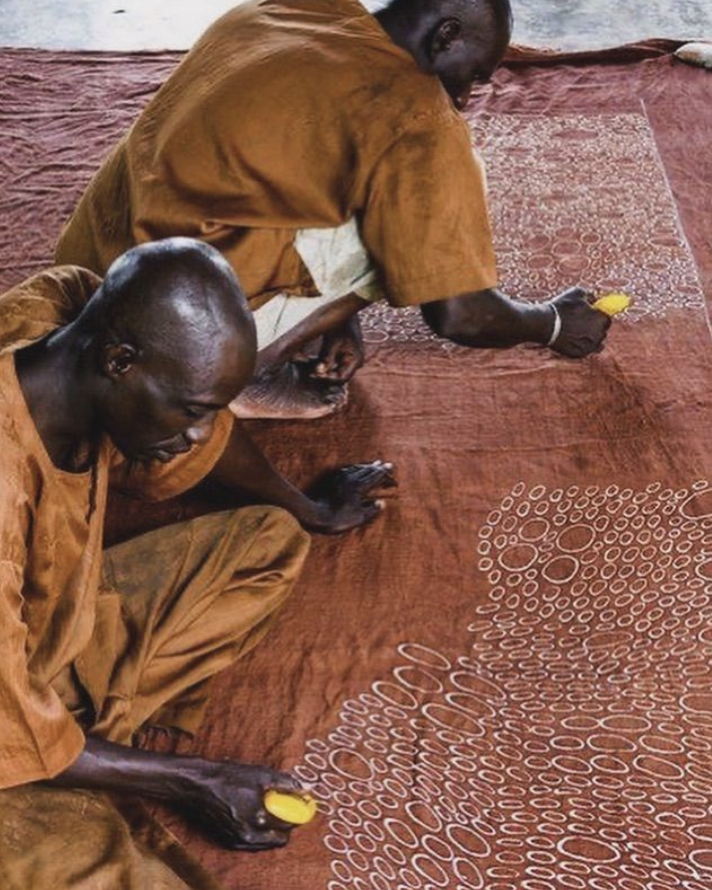


Pack your bags, we’re ditching the European summer crowd and making our way to one of Africa’s most beautiful islands, Zanzibar. Here is our Noire editor’s guide to your dream vacation, read on, adventure awaits!
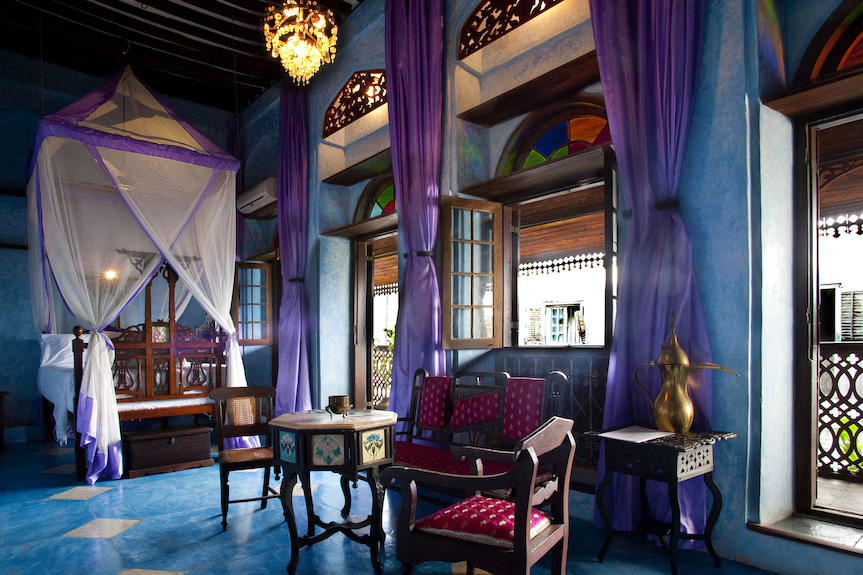
Start in Stone Town and stay at Emerson Spice on Shangani Street, a restored 17th century merchant’s house with eleven individually designed rooms, no elevator, and a personality that announces itself the moment you walk through the door. Every room is different: the Kate has two oversized bathtubs and a private tea garden above the cobblestone street below, while L’Amour Toujours has two massive beds and a balcony that catches the ocean breeze from three directions. The real reason to book here, though, is the rooftop Tea House restaurant, which serves a five-course seafood tasting menu every night at 7pm, prepared daily around whatever was freshest at the market that morning. Sundowners start at 6pm, dinner is $40 per person, and the view of Stone Town at golden hour while the calls to prayer layer over each other in the air is the kind of thing that earns its place in your memory without trying. Book the room and the rooftop dinner simultaneously at emersonzanzibar.com because the restaurant fills every night and waiting means missing it.
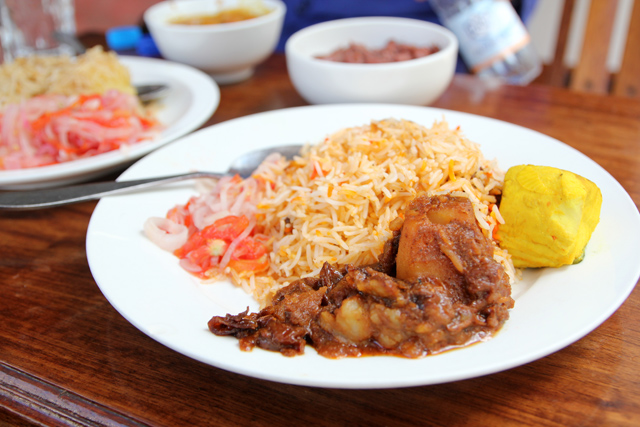
The morning after, before any formal plans begin, go to Lukmaan Restaurant on New Mkunazini Road, directly behind the Anglican Cathedral near the old Baobab tree, which has been feeding locals and those who know enough to follow them for over a decade. There is no menu: you walk to the counter, a staff member walks you through whatever has been cooked that morning, and you point at what you want. Order the octopus curry with pilau rice, the octopus simmered in coconut milk with lime and spices until it reaches a tenderness that has no business being as good as it is. Order the shrimp curry if it is available. Order the fresh mango juice. Go before noon, when the selection is at its best and the place is at its most alive, and budget about $7 for a full, extraordinary meal.
“Getting lost in Stone Town is how you find everything worth finding.”

Stone Town is a walking city, and getting lost in it is how you find everything worth finding. Wander onto Shangani Street and look for the initials DM on a boutique directly opposite the Park Hyatt: that is Doreen Mashika, a Tanzanian designer who studied and worked in luxury goods fund management in Switzerland before returning home to build a fashion brand rooted in exactly where she is from. Her pieces in kanga, kitenge, and silk in the saturated colors that only fully make sense in this equatorial light are wearable anywhere and impossible to find anywhere else, and the boutique also carries jewelry, spices, and products made by women’s cooperatives across the island. Vogue named it their favorite shop in Zanzibar. Shop online at doreenmashika.com or follow @doreenmashika on Instagram before you arrive so you know what you are walking into. For something made specifically for you, reach Mustafa Hassanali at @mustafaHassanali on Instagram, a designer who has shown his work in 21 countries and dressed Naomi Campbell, and whose bespoke pieces will follow you into every room you enter wearing them.
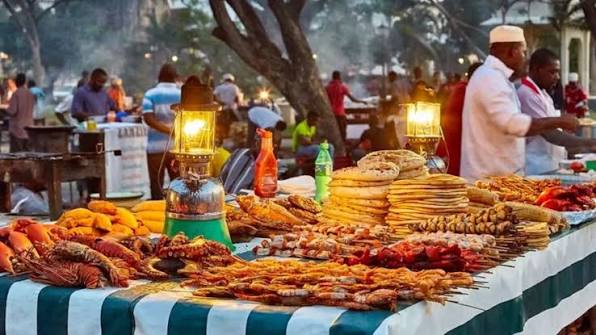
On the second evening, make your way to the Forodhani Gardens night market on the waterfront, which comes alive at dusk with vendors, smoke, and the energy of a place that has been a site of exchange for eight hundred years. Order the urojo, which is Zanzibar’s signature street soup: a base of gram flour and tamarind and coconut milk, loaded with crispy fritters, boiled potatoes, cassava chips, shredded mango, and a heat that builds slowly. Order the Zanzibar pizza, which is not pizza in any Italian sense but a thin dough stuffed with egg, cheese, and your choice of meat or Nutella, folded and pan-fried and eaten standing up. Order the fresh sugarcane juice. The vendors will negotiate with you and that is part of the experience, which is to say part of what Zanzibar has always been, a place where commerce and encounter have been indistinguishable for eight hundred years.
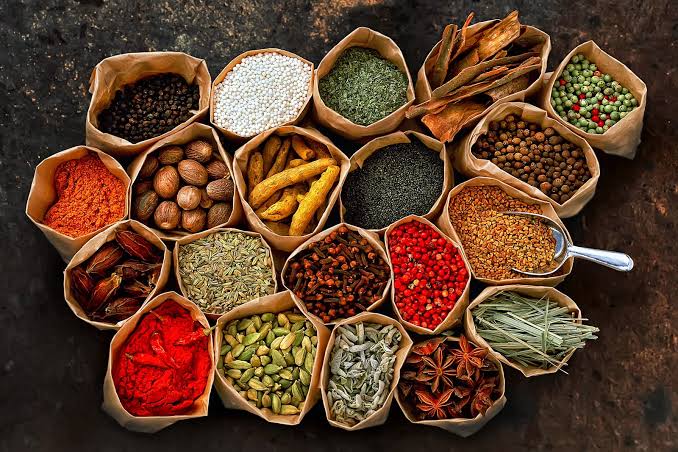
Before you leave Stone Town, do the spice farm tour, which takes three to four hours and costs between $20 and $30 per person, including a local meal at the end. The island earned the name Spice Island because clove, nutmeg, cinnamon, cardamom, and vanilla all grow here in the open, and a good guide will hand you a leaf to crush and smell before you have even identified the plant, which is the most effective way to understand why this island shaped global trade for centuries. Siso Spice Farm consistently receives strong recommendations from travelers who arrived expecting a tourist activity and left having learned something real.
If you want the cultural experience that most visitors miss entirely, take the Jambiani Village Women’s Tour on the east coast of the island, run by guide Ameir who was born and raised in the village and is licensed with the Tourism Commission of Zanzibar. The half-day tour, which runs about $30 to $45 per person depending on group size and whether pickup from Stone Town is included, takes you through the village on foot, into the homes of local women artisans who weave baskets, make coconut rope from husks, and create palm leaf mats using skills passed down across generations. At low tide you walk out onto the shallow ocean bed to the seaweed farms, where women have been cultivating and harvesting seaweed, Zanzibar’s second largest industry, as a source of income and independence for decades. There is also the option of a traditional Swahili lunch with a local family with 48 hours advance notice. Book through Viator or contact Ameir directly through the Jambiani Tours listing on Tripadvisor. Reviewers consistently describe it as the best cultural experience they had on the island, and for a woman traveling here, spending a morning with the women of Jambiani is the kind of thing that stays with you long after the beaches have faded.
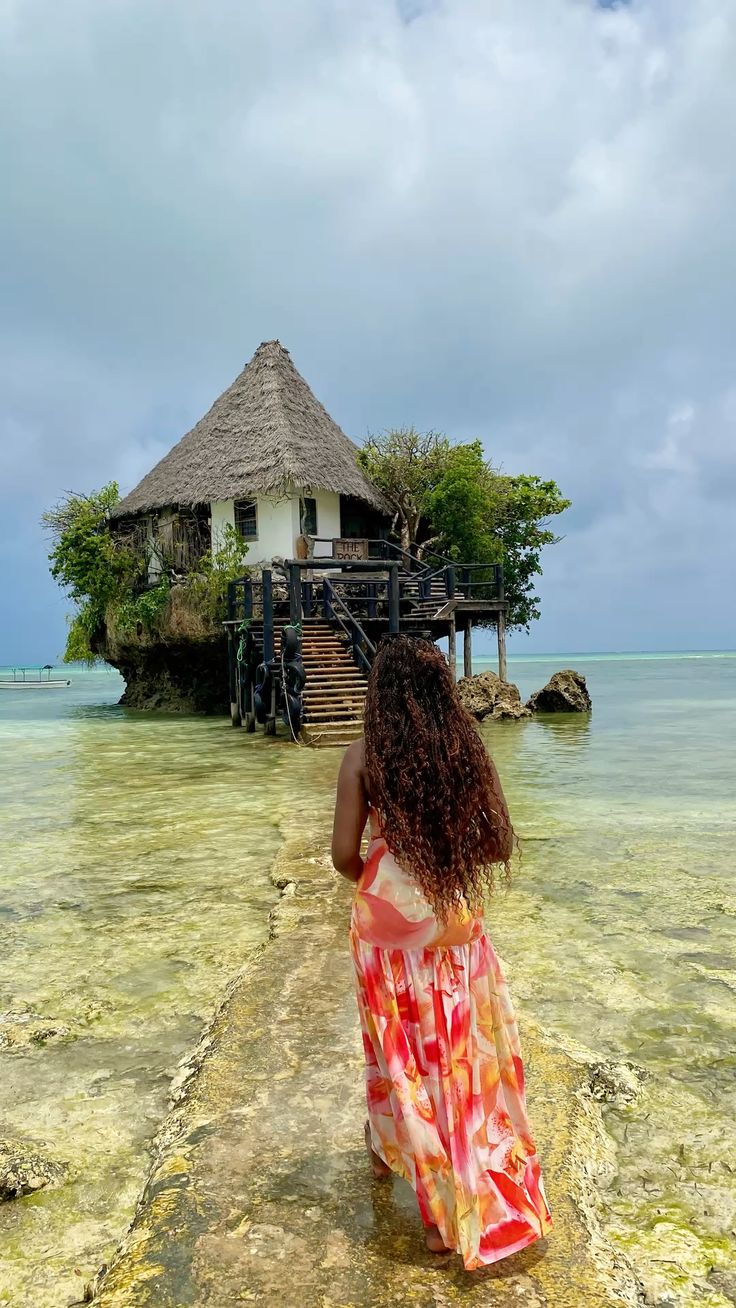
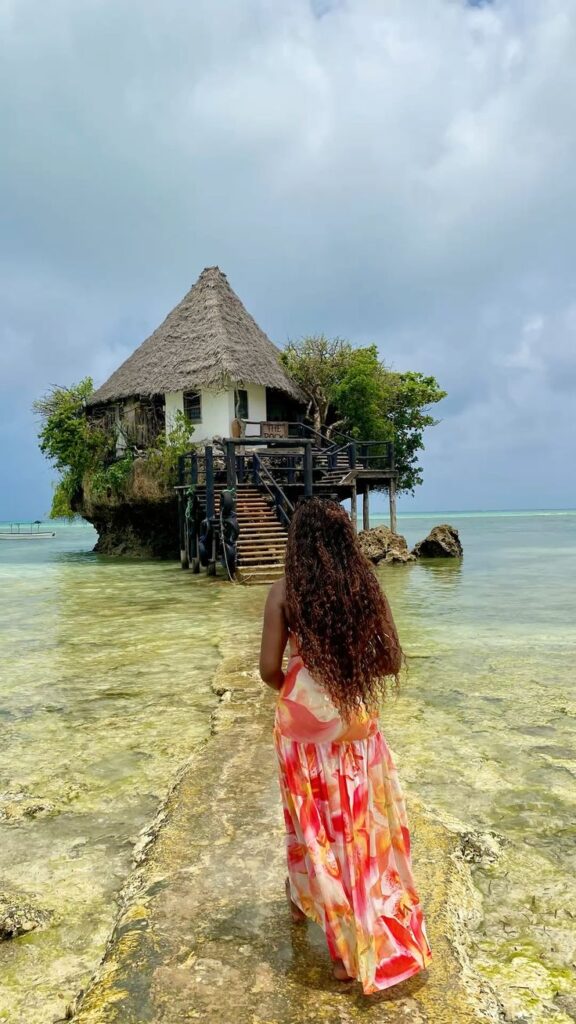
The Rock Restaurant
On day three, arrange a driver from Stone Town for the hour-long drive east to Michamvi Pingwe Beach. Most hotels can organize this, or negotiate directly with a local taxi driver to take you and wait, which runs about $40 to $60 round trip. When you arrive at the beach, The Rock Restaurant sits on a coral outcrop just off shore. Depending on the tide you either walk across the sand to reach it or take the small boat the staff sends from the beach. Timing your reservation for high tide means arriving by boat to a restaurant sitting alone in the middle of the ocean, which is one of those experiences that feels slightly unreal while it is happening and absolutely real when you are trying to describe it to someone who was not there. Order the Rock Special Seafood Platter, lobster, squid, king prawns, and octopus, and the signature Rock cocktail. A full meal with drinks runs $60 to $90 per person. Book in advance at therockrestaurantzanzibar.com where a $10 per person non-refundable deposit is required at booking and deducted from your bill. High season books out weeks in advance, so reserve before you leave home.
If your routing takes you through Dar es Salaam, resist the urge to treat it as a layover and give it at least two nights. When the grills come on at 6pm at Mamboz Corner BBQ at Morogoro Road and Libya Street in Kisutu, that is your cue. The gajjar chicken is spiced and grilled with a serious, cumulative heat, the tables are plastic, the setting is a lively street corner, and it is some of the most honest and delicious food you will eat on the entire trip.
Getting to Tanzania from the United States requires one connection. The three best routings are Qatar Airways through Doha, which flies directly into ZNZ and is widely considered the smoothest connection experience for this route; Turkish Airlines through Istanbul, a strong option particularly for East Coast travelers, with consistently reliable long-haul service; and Ethiopian Airlines through Addis Ababa, the most affordable of the three and the most natural choice for those who prefer moving through an African hub. The short domestic hop between Dar es Salaam’s Julius Nyerere International Airport (DAR) and Zanzibar takes 25 minutes on Precision Air or Air Tanzania, both of which run the route multiple times daily. The ferry between the two cities on Azam Marine or Kilimanjaro Fast Ferries takes two hours and is worth taking at least once for the view of Stone Town appearing from the water.
The best time to visit is June through October during the dry season, when the weather is warm and clear and the island is at its most generous. Book Emerson Spice as early as your planning allows since it fills months out. Taxis cannot reach most Stone Town hotels through the alleys, so arrange to meet your driver at the seafront and walk the rest of the way in, download an offline map for the first morning, and then get deliberately lost in the afternoon. The best things in Stone Town are found that way.
Zanzibar rewards the people who show up with a little patience and no fixed agenda, and it has a way of making you feel, somewhere around the second or third day, that you have been missing it for longer than you realized.