Your Summer Playlist Has a Gap and We Found It
Nyathigi Gatere spent most of her university years in Maryland, studying cartography and geographic information science, writing music alone in her dorm room because there was nobody to make it with and nowhere particular to put it. She had started posting songs on SoundCloud, someone added one to a playlist, and then the way things move when the work is genuinely good, slowly and then irreversibly, it went. Her track “gin and wine” has passed ten million plays on Spotify, most of them from listeners who found her the way the internet lets you find things at 2am: through a thread, through a comment that just said you need to hear this.
You know her as tg.blk. If you don’t, this summer is the moment to change that.
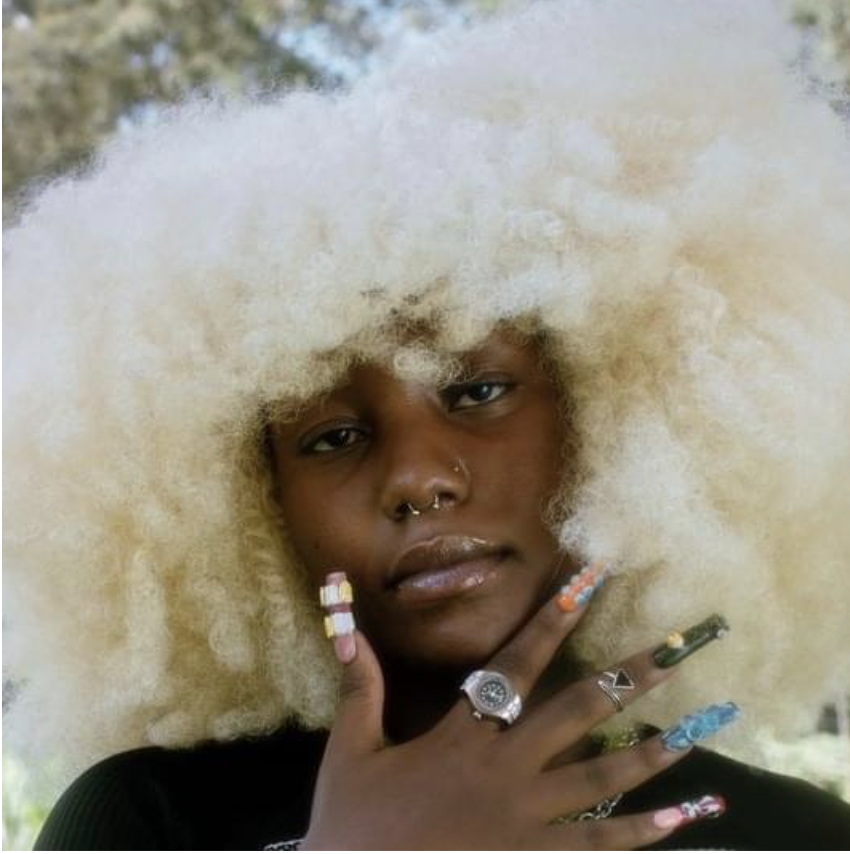
Born and raised in Mombasa, Kenya, tg.blk draws a line from MF DOOM and 1980s hip-hop through coastal East Africa, producing nearly everything herself, working with YouTube beats and a bedroom setup that has never apologized for what it sounds like. Her 2025 EP “ITS NOT THAT DEEP” confirmed what her earliest listeners had been saying for years, and her 2026 single “teflon” went further still. Apple Music named her part of their Africa Rising Class of 2026, which is accurate and also somewhat beside the point, because tg.blk’s significance lives in the specifics: the way she raps, the way she sings, the particular crunchy lo-fi texture of a sound she built entirely on her own terms in rooms where nobody was watching.
She is one of six artists whose work is worth your full attention this summer.

Ludmilla was born Ludmila Oliveira da Silva in Duque de Caxias, on the outskirts of Rio de Janeiro, and she has been building one of the most significant careers in Black music anywhere in the world since she was a teenager recording funk carioca in the favela. In September 2020, she became the first Afro-Latin American female musician to reach one billion streams on Spotify. She performs at Afro Nation Portugal in July 2026 alongside Wizkid, Asake, and Tyla, which is exactly the company she belongs in, and her presence on that bill is the clearest articulation the festival has offered of what its actual remit is: the African diaspora is not a geography, it is a bloodline that runs from Lagos through Bahia and into every favela where Black people built culture from what they were given and then offered it to the world.
Rebo Tchulo
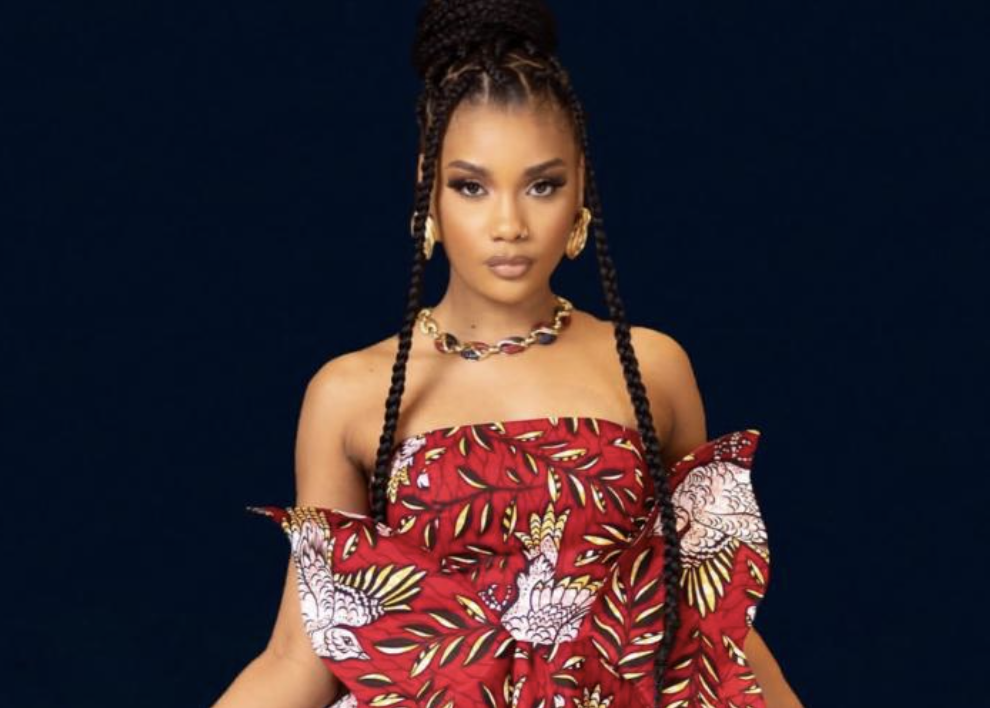
Rebo Tchulo was born Deborah Tshimpaka Mulanga on December 5, 1997, in the Barumbu commune of Kinshasa, one of the DRC’s most challenging neighborhoods, and she came up singing gospel in church choirs, which is where her voice was formed and where her relationship with performance first became something more than casual. A church eventually expelled her for what it considered an extravagant appearance, which is the kind of origin detail that tells you everything about an artist’s relationship with conformity and what happens when the institutions meant to contain you underestimate what you carry. She moved into urban music in 2016, began building collaborations with local artists, and caught the attention of Ferré Gola, one of the greatest musicians the DRC has produced, who signed her to his FG Production label in 2017 and featured her in the video for his rumba single “Ma Meilleur Chemise.” What followed was a run of singles, “Coeur Fragile,” “Ni Nani,” “Biloko,” that established her as a voice in Congolese pop whose sound pulled Ndombolo’s kinetic physicality and Afropop’s global polish together in a way that sounded like it belonged to her alone.
She is one of the most consequential voices to emerge from Central Africa’s music scene in this decade, and she is only getting started.
Itaré
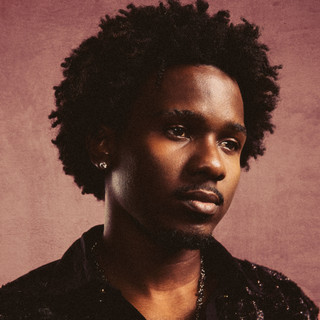
Itaré, 23, was born in Mwanza and raised in the Ilala neighborhood of Dar es Salaam, in a household where music was already in the walls: his grandfather and father both played instruments, and his father introduced him to Sade, Michael Jackson, and 1980s disco before he was old enough to understand why that mattered. He started making songs at 13, was posting freestyles on SoundCloud as a teenager, and taught himself guitar from his father before continuing entirely on his own, training his voice by recording it and playing it back until it started to do what he needed it to do, over and over, in the patient, self-directed way of someone who has decided this is the work and is going to put in whatever it takes. By the time OkayAfrica profiled him in January 2026, he had amassed more than 200 tracks on his phone alone, not counting whatever lived in studios and on laptops across years of experimentation. He was also, simultaneously, completing a cybersecurity program at university, reviewing promo materials in the same week he sat end-of-term exams. He is the kind of artist you want to know now, before the rest of the world catches on.
Inès Raguël
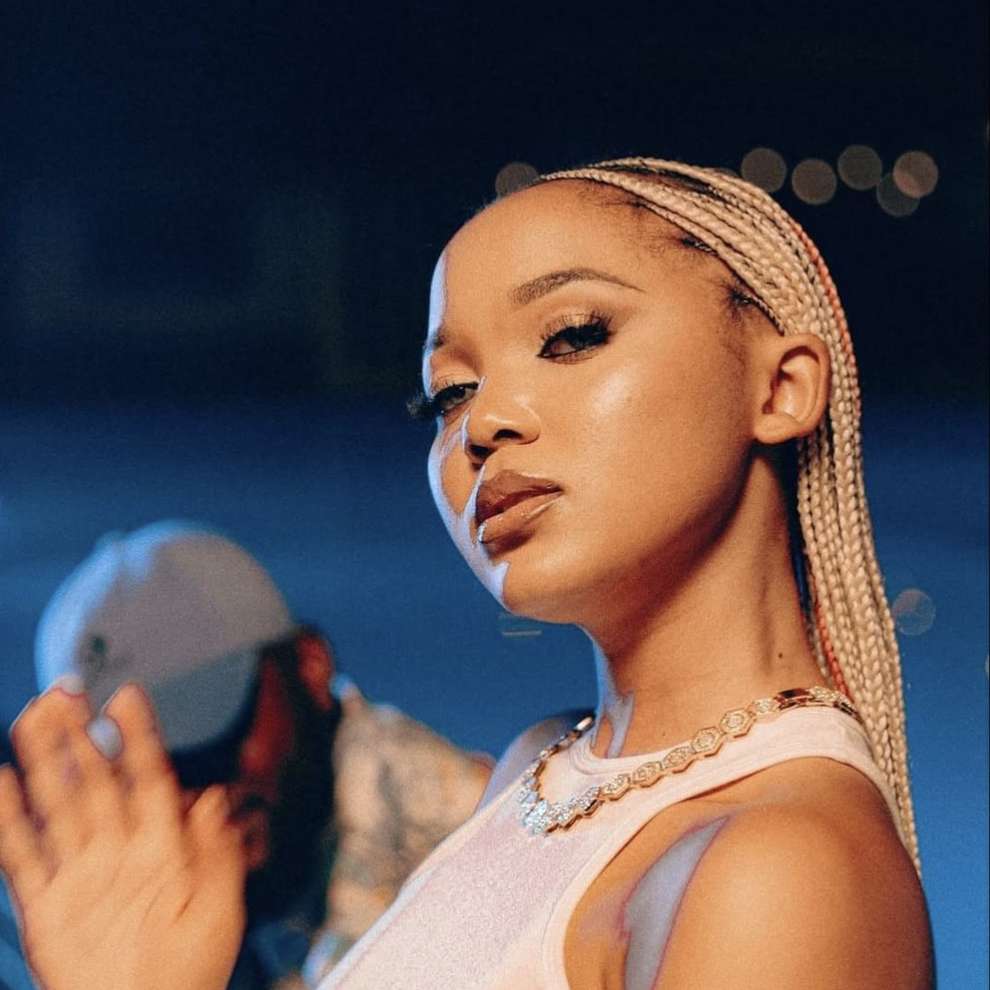
Inès Raguël was born in Burundi and is now based in Tanzania, which is itself a kind of statement about the geographic imagination she brings to her music, moving between Francophone East Africa’s linguistic and cultural worlds with the ease of someone who has never accepted borders as carrying more authority than the song. Her 2025 singles “Je Tombe” and “Où étais-tu?” are built on a sound that pulls Caribbean influences through an East African framework, Francophone pop with a warmth and melodic intelligence that crosses the continent’s linguistic divides without flattening what makes each of them specific. “Je Tombe” is the kind of song that does what only the best pop music does: it sounds inevitable, like it could only have been made by this person from this particular intersection of places and experiences, and like it will still be making sense to you six months from now when you have forgotten how you first found it. Burundian artist working in Tanzania, singing in French, drawing on the Caribbean, producing music that speaks across the continent’s Anglophone and Francophone divide, is a position that matters and that she is filling with a precision and a grace that very few artists her age are managing anywhere in the world.